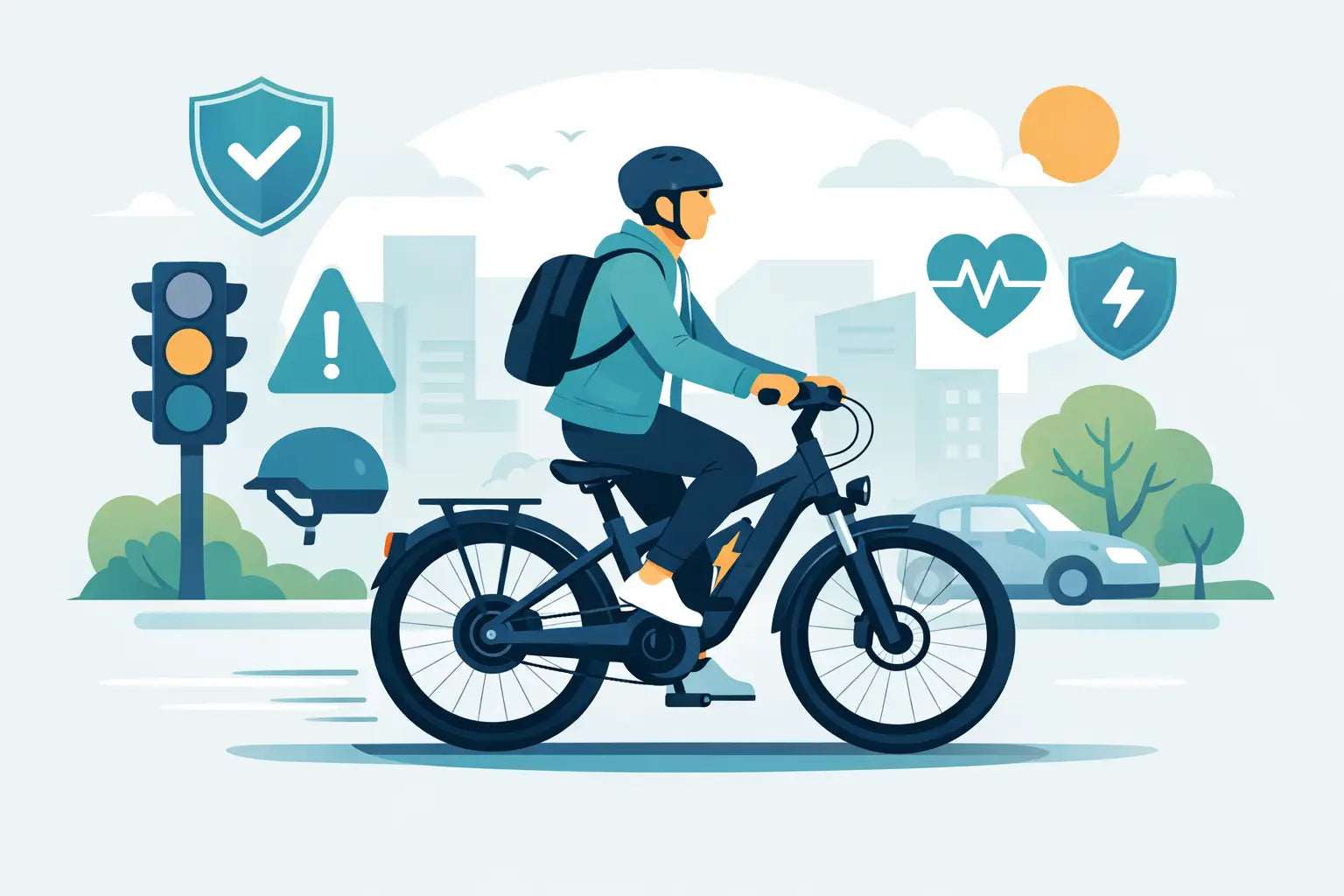
Are Electric Bikes Safe for Everyday Riding?
Explore our collection of electric bikes designed for comfort, confidence, and everyday riding. As an authorized dealer, Open Air Lifestyles offers trusted brands backed by knowledgeable customer support to help you choose the right e-bike for your lifestyle.
👉 Browse Our Electric Bike Collection
A lot of first-time buyers ask the same thing right after they see how fun and practical an e-bike can be: are electric bikes safe? It is a fair question, especially for riders who want a little more support on hills, longer rides, or everyday errands without giving up comfort or confidence.
The short answer is yes, electric bikes can be very safe when you choose the right model, ride within your comfort level, and pay attention to basic maintenance. But like any outdoor equipment, safety is not just about the product itself. It also depends on fit, components, terrain, speed, visibility, and how you ride.
Are electric bikes safe compared to regular bikes?
In many everyday situations, an electric bike is no less safe than a traditional bicycle. In some cases, it can even feel safer. Pedal assist helps riders get moving from a stop more smoothly, climb hills without overexertion, and keep a steadier pace into wind or over longer distances. For active adults and retirees especially, that extra support can make riding more comfortable and less physically demanding.
That said, e-bikes introduce a few factors that deserve respect. They are usually heavier than standard bikes, they can accelerate more quickly, and some models can reach higher assisted speeds. Those differences are not necessarily dangerous, but they do change braking distance, low-speed handling, and the learning curve for new riders.
If someone has not ridden in years, an e-bike may still be a great choice, but the safest path is to start slow and give yourself time to adjust.
What actually makes an e-bike safe?
Safety starts with the bike itself. A well-designed electric bike should have reliable brakes, stable handling, quality tires, bright integrated lights or space to add them, and a battery system built to recognized safety standards. Frame design matters too. A step-through frame can make mounting and dismounting easier, which is a meaningful advantage for riders who value comfort, flexibility, and confidence.
Motor power also affects ride feel. More power can be helpful on hills or rougher terrain, but it should be paired with good control. For many riders, smooth and predictable pedal assist is more important than raw speed.
Tire width and geometry play a role as well. Wider tires can improve stability and comfort, especially on mixed surfaces, while an upright riding position often gives better visibility and control for casual recreation and neighborhood riding.
The rider matters as much as the bike
Even the best e-bike cannot make up for poor fit or rushed decision-making. One of the most common safety issues is riding a bike that is simply not a good match for the rider.
A bike that feels too tall, too heavy, or too fast can create uncertainty at exactly the wrong moments, like stopping at an intersection or turning on a bike path. That is why size, frame style, saddle comfort, reach to the handlebars, and overall handling should all be part of the decision.
For many adults, especially those getting back into cycling, confidence is a major part of safety. A rider who feels balanced and in control is much more likely to make calm, smart decisions on the road or trail.
Speed is helpful, but it changes the equation
One reason people ask whether electric bikes are safe is simple: speed changes how a bike behaves. Even moderate increases in speed affect reaction time and stopping distance.
Class 1 and Class 2 e-bikes are often a comfortable choice for general recreation because they provide assistance up to 20 mph. Class 3 models can assist up to 28 mph, which may be useful for commuting or covering longer distances, but they demand more awareness and rider experience.
Higher speed is not automatically a problem. The trade-off is that it leaves less room for error. Riders need to allow more braking distance, slow earlier before turns, and stay alert to pedestrians, cars, and uneven surfaces. If your goal is relaxed neighborhood rides, rail trails, or campground cruising, a lower-speed setup may actually feel safer and more enjoyable.
Brakes, tires, and visibility deserve extra attention
If you want to judge an e-bike’s safety, start with the fundamentals. Brakes should feel strong and consistent, especially because e-bikes tend to weigh more. Many quality models use hydraulic disc brakes, which generally provide better stopping performance and less hand strain than basic mechanical systems.
Tires matter more than many people realize. Tread, width, air pressure, and overall quality affect traction and comfort. Underinflated or worn tires can make handling less predictable, while the right tire setup can improve grip on pavement, crushed gravel, and light trail surfaces.
Visibility is another big factor. Because e-bikes can move faster than casual cyclists expect, being seen matters. Front and rear lights, reflectors, bright clothing, and good route choices all help. If you expect to ride early in the morning, near dusk, or in shaded areas, built-in lighting is a real benefit.
Battery safety is part of the conversation
When people wonder are electric bikes safe, battery safety often comes up, and for good reason. The battery is one of the most important and most misunderstood parts of an e-bike.
A quality battery from a reputable manufacturer is generally very safe when used and charged properly. Problems are more likely to happen with poorly made batteries, incompatible chargers, physical damage, or improper storage. That is one reason buying from an authorized dealer matters. You are far more likely to receive equipment that meets safety standards, includes manufacturer support, and is backed by a real warranty.
Good battery habits are straightforward. Use the correct charger, avoid exposing the battery to extreme heat, store it in a dry place, inspect it if the bike has been dropped, and follow the manufacturer’s instructions. If a battery looks swollen, damaged, or unusually hot, stop using it and get expert guidance.
Where and how you ride changes the answer
An e-bike that feels perfectly safe on a paved greenway may feel less so on loose gravel, steep trails, or crowded urban streets. Terrain and riding environment make a major difference.
For relaxed recreational riding, comfort-focused bikes with upright geometry and moderate assist are often a strong fit. For hilly neighborhoods, a bike with dependable braking and stable climbing support can improve control. For off-road use, riders need a model designed for trail conditions, not just a general-purpose cruiser with a motor.
Weather matters too. Rain reduces traction, wind can affect balance, and fallen leaves or sand can make surfaces slippery. None of that means you should avoid riding. It just means the safest riders adjust their speed and expectations to match conditions.
Practical habits that make e-bikes safer
Most e-bike safety comes down to simple habits repeated consistently. Wear a helmet that fits well. Start in the lowest assist setting until the bike feels familiar. Practice stopping, turning, and starting in an open area before heading into traffic or crowded paths.
Check tire pressure, brakes, lights, and battery charge before longer rides. Keep both hands ready on the bars in busy areas. Slow down around pedestrians and never assume drivers can judge your speed accurately.
It also helps to choose routes that match your experience level. A scenic multi-use path or quiet neighborhood street is a better classroom than a busy road. Riders who ease into e-biking usually gain confidence quickly.
Buying well is part of riding safely
A safe e-bike experience starts before the first ride. It starts with choosing a model that fits your body, your terrain, and the way you actually plan to use it.
That is where expert guidance matters. A low price can look appealing online, but safety features, build quality, dealer support, and warranty protection matter much more over time. Questions about motor class, frame style, rider height, battery care, and intended use are worth answering before you buy, not after something feels off.
For customers who want dependable information and real customer support, working with a knowledgeable retailer like Open Air Lifestyles can remove a lot of uncertainty. That kind of support is especially valuable for higher-ticket outdoor equipment, where comfort, confidence, and long-term value matter just as much as performance.
Electric bikes are safe for many riders, including adults who want to stay active, go farther, and enjoy the outdoors with less strain. The key is not finding the fastest bike or the trendiest one. It is finding the right bike, learning how it responds, and riding in a way that keeps the experience enjoyable. That is what helps you explore with confidence and ease, and spend more time living your best outdoor life.