Choosing an Electric Outboard Motor for Small Boat
Explore our collection of electric outboard motors designed to deliver quiet, reliable performance for fishing boats, inflatables, tenders, and small recreational watercraft. As an authorized dealer, Open Air Lifestyles offers trusted brands backed by manufacturer warranties and knowledgeable customer support to help you choose the right motor for your time on the water.
👉 Browse Our Electric Outboard Motor Collection
A calm morning on the lake can turn frustrating fast if your motor is too weak to move the boat comfortably, too heavy to handle at the dock, or drains the battery before lunch. Choosing the right electric outboard motor for small boat use is less about chasing the biggest numbers and more about matching the motor to how you actually spend time on the water.
For many boaters, that is exactly where electric power makes sense. Small fishing boats, dinghies, inflatables, tenders, jon boats, and lightweight skiffs often benefit from a quieter, cleaner, lower-maintenance setup. You get easy starting, less vibration, and a more relaxed experience on the water. If your goal is to fish quietly, cruise short distances, or explore protected waterways with confidence and ease, an electric outboard can be a very smart fit.
Why an electric outboard motor for small boat use makes sense
The appeal starts with simplicity. Electric outboards eliminate many of the chores that come with gas engines. There is no fuel mixing, no carburetor issues, no pull-start, and no winterizing routine that sends you hunting for a service appointment. For active adults and homeowners who want more time outside and less time troubleshooting equipment, that matters.
There is also the comfort factor. Electric propulsion is noticeably quieter, which changes the feel of a day on the water. Conversation is easier. Wildlife is less disturbed. Fishing in shallow coves or maneuvering near docks feels more controlled and less hectic.
That said, electric is not a perfect answer for every boater. If you routinely run long distances, carry heavy loads, or need to push through strong current and wind for extended periods, battery capacity becomes the key limitation. Electric outboards reward boaters who understand their range needs and use patterns.
Start with the boat, not the motor
Before comparing models, look closely at your boat. The right motor depends on hull type, total weight, and the conditions where you boat most often.
A lightweight inflatable or small tender needs far less thrust than a fully loaded jon boat with two adults, gear, a cooler, and a battery onboard. Even two boats with the same length can behave very differently depending on hull shape and weight distribution. A flat-bottom fishing boat may need more push in wind than a narrow dinghy used in a protected marina.
Think about your real-world load, not the empty boat specs on a brochure. Add passengers, fishing gear, safety equipment, battery weight, and anything else you typically carry. That total matters more than many first-time buyers expect.
Where and how you boat changes everything
A small boat used on a no-wake lake has very different needs than one used in a tidal inlet. Calm inland water is forgiving. Open bays, tidal currents, and afternoon chop are not.
If your boating is mostly short trips from the dock, slow cruising, or positioning around a fishing area, a compact electric outboard may be ideal. If you need dependable range to reach a distant cove and return comfortably, plan your battery setup with extra margin. This is one area where it pays to be realistic rather than optimistic.
How much power do you need?
This is where many shoppers get stuck. Electric motors are often described by thrust or by gas-equivalent horsepower, depending on the brand and type. The challenge is that those numbers are not always directly comparable.
For very small boats, especially inflatables and tenders, modest electric power can be enough for practical use. For heavier small boats, more power helps with control, especially in wind or current. What most boaters want is not top speed. They want smooth, dependable movement without feeling underpowered.
If you are between sizes, it is often wiser to size for the upper end of your normal use, especially if you carry passengers or boat in changing conditions. A motor running comfortably below its limit usually creates a better ownership experience than one that is constantly working at full output.
Speed expectations should stay realistic
An electric outboard motor for small boat setups can move a boat very effectively, but it is not always about speed. Many electric systems are designed for efficient cruising, quiet maneuvering, and low-stress operation rather than high-speed performance.
That is not a drawback if your priorities are fishing, exploring shorelines, or getting from dock to mooring without hassle. It only becomes a problem when buyers expect gas-style range and speed from a battery setup that was never meant for that job.
Battery range is the real buying decision
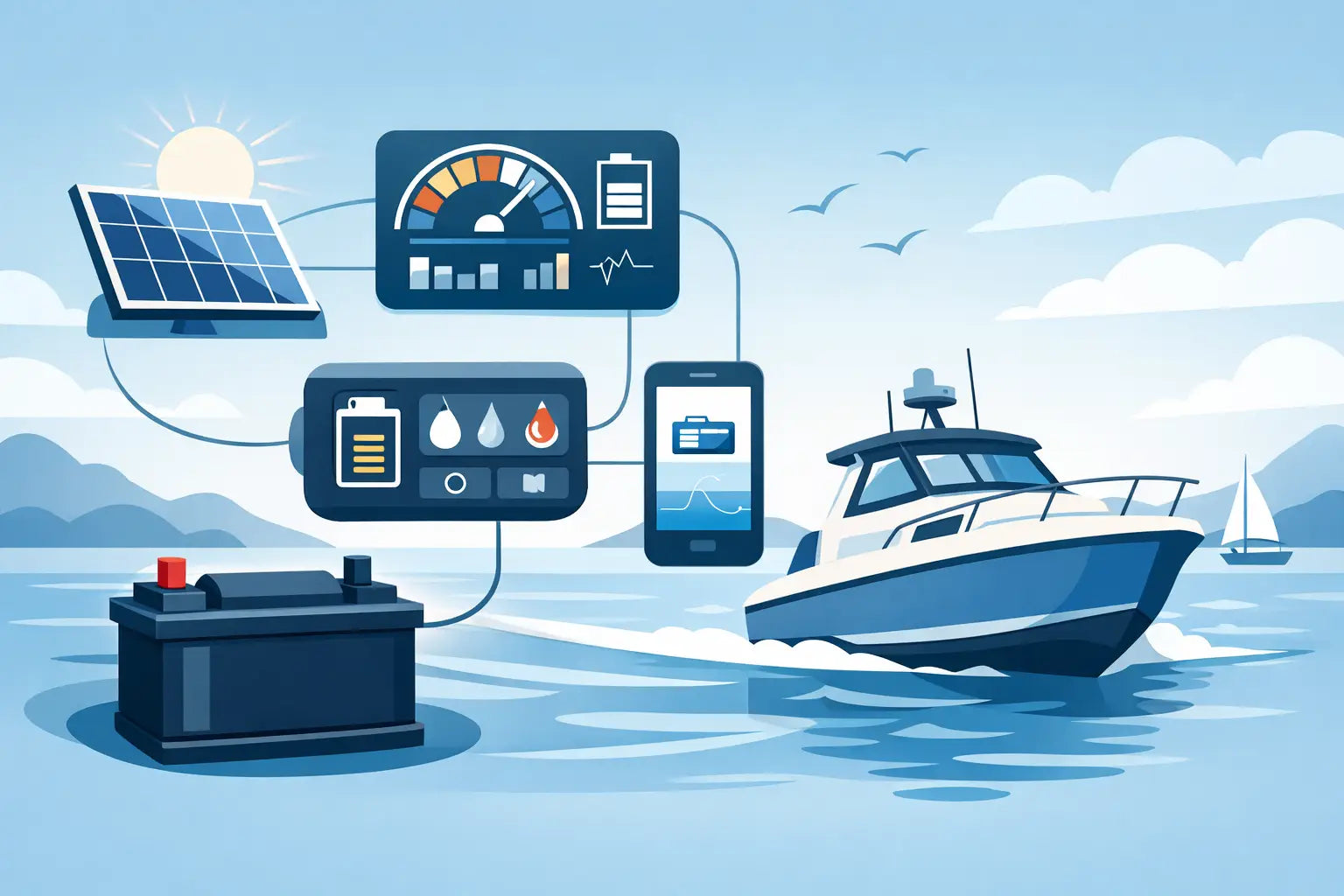
The motor gets the attention, but the battery determines how usable the system will be. A powerful motor with limited battery capacity can leave you disappointed. A well-matched battery setup makes the whole experience more enjoyable.
Range depends on several factors at once - battery size, boat weight, throttle setting, water conditions, and weather. Running at half power can dramatically extend runtime compared with operating near full throttle. Headwinds and current can cut range faster than expected.
For that reason, it helps to think in terms of your typical outing. Are you making a 15-minute ride from shore to a fishing spot and drifting most of the day? Or are you planning a longer cruise with steady motor use? The answer should guide your battery choice.
Lithium batteries are popular because they are lighter, charge faster, and usually offer better usable capacity than older battery types. They also raise the initial purchase price. For many buyers, the extra cost is worth it because less battery weight improves boat handling and makes transport easier.
Don’t overlook shaft length and fit
A motor can have the right power and battery, but still perform poorly if the shaft length is wrong for the transom. Too short, and the prop may ventilate in chop. Too long, and you may create handling issues or drag.
Measure your transom carefully and compare that to the motor manufacturer’s guidance. This step sounds simple, but it is one of the easiest mistakes to make when buying online.
Weight and mounting also matter. Some small-boat owners need to remove the motor after every outing, especially with inflatables, tenders, or boats stored at home. In those cases, portability matters almost as much as performance. A slightly lighter system that is easy to manage may be the better long-term choice.
Features that are genuinely useful
Not every extra feature changes the on-water experience, but a few can make ownership easier.
A clear battery status display is one of the most helpful features because it removes guesswork. Variable speed control is also valuable, especially for fishing or docking, where fine adjustments feel more natural than a few fixed speeds. Some premium electric outboards also offer integrated batteries, digital displays, and cleaner overall rigging, which can be appealing for boaters who want a simpler setup.
Durability deserves attention too. Saltwater-rated construction, corrosion resistance, and dependable warranty support matter if you boat in coastal environments or simply want long-term value. This is where buying from an authorized dealer can make a real difference. Good product guidance before the sale is helpful, but dependable support after the sale is just as important when you are investing in marine equipment.
Common mistakes first-time buyers make
The most common mistake is underestimating total weight and overestimating battery range. The second is buying based only on advertised performance without considering the actual boat, the water conditions, and how often the system will be moved or stored.
Another mistake is treating all electric outboards as interchangeable. They are not. Some are better suited for short tender runs and compact portability. Others are designed for more serious small-boat propulsion with larger battery systems and stronger performance. The best choice depends on your priorities, not just the spec sheet.
It also helps to think beyond the first outing. Will the battery fit your charging routine at home? Will the motor be easy for you to lift and mount? Will your spouse, partner, or fishing buddy feel comfortable using it? Those practical details often matter more than a slight difference in speed.
What a confident purchase looks like
A good match feels straightforward once you narrow the use case. If you have a lightweight boat, short trips, and a strong preference for quiet, low-maintenance operation, an electric outboard can be a pleasure to own. If you need longer range or regularly face current and wind, you may need a higher-capacity system than you first expected.
That is why expert guidance matters. Marine propulsion is one of those categories where a short conversation can prevent an expensive mismatch. At Open Air Lifestyles, helping customers compare fit, range expectations, and long-term usability is part of helping them spend less time worrying about equipment and more time enjoying the water.
The best electric setup is not the one with the flashiest specs. It is the one that fits your boat, your routine, and your idea of a great day outside. Choose with care, and your next launch can feel a lot quieter, easier, and more enjoyable.