
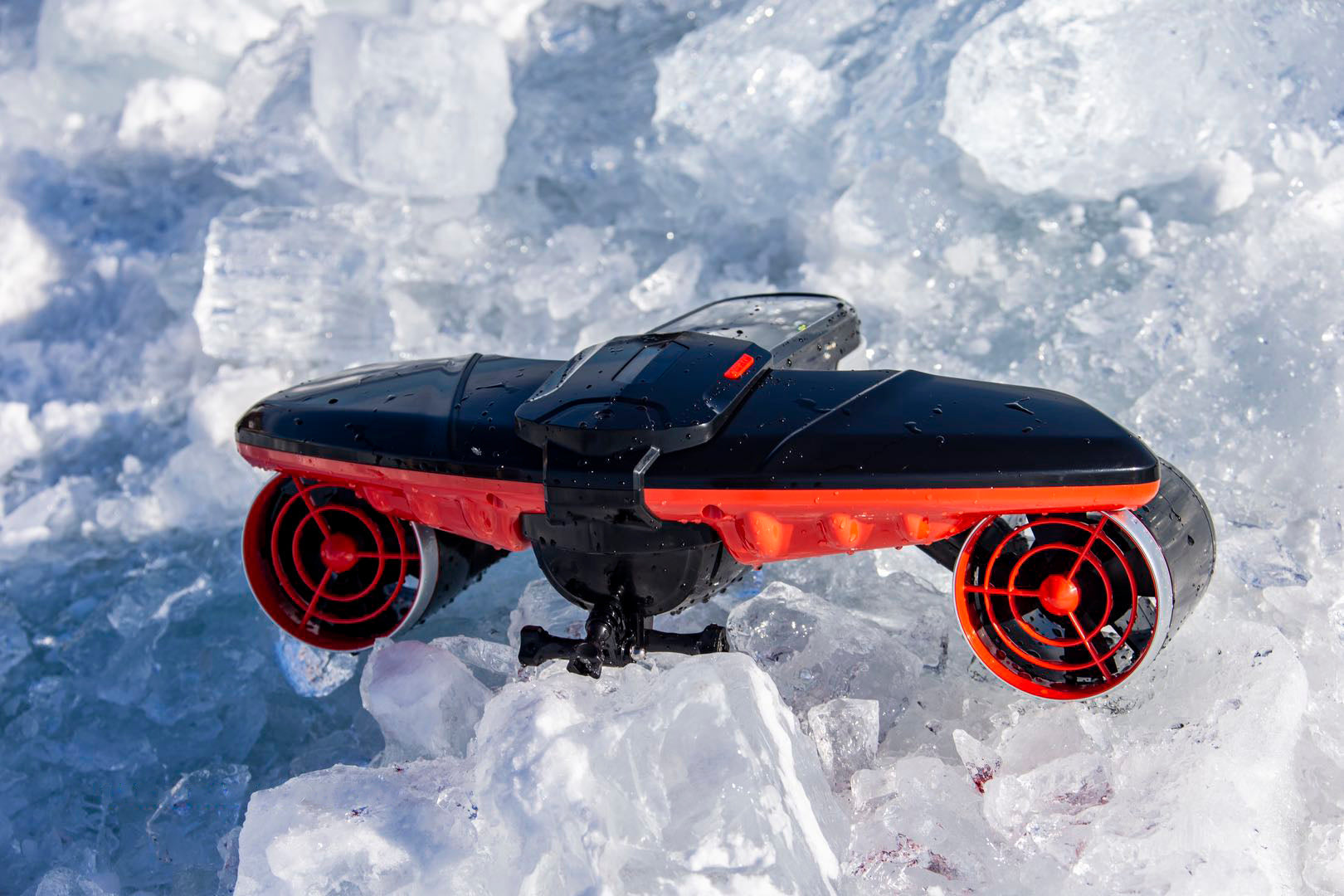
Sea Scooters
QUESTIONS WE OFTEN HEAR ABOUT SEA SCOOTERS
Sea scooters are an exciting way to explore the water with less effort and more fun. Here are answers to some common questions buyers ask when comparing underwater propulsion systems.
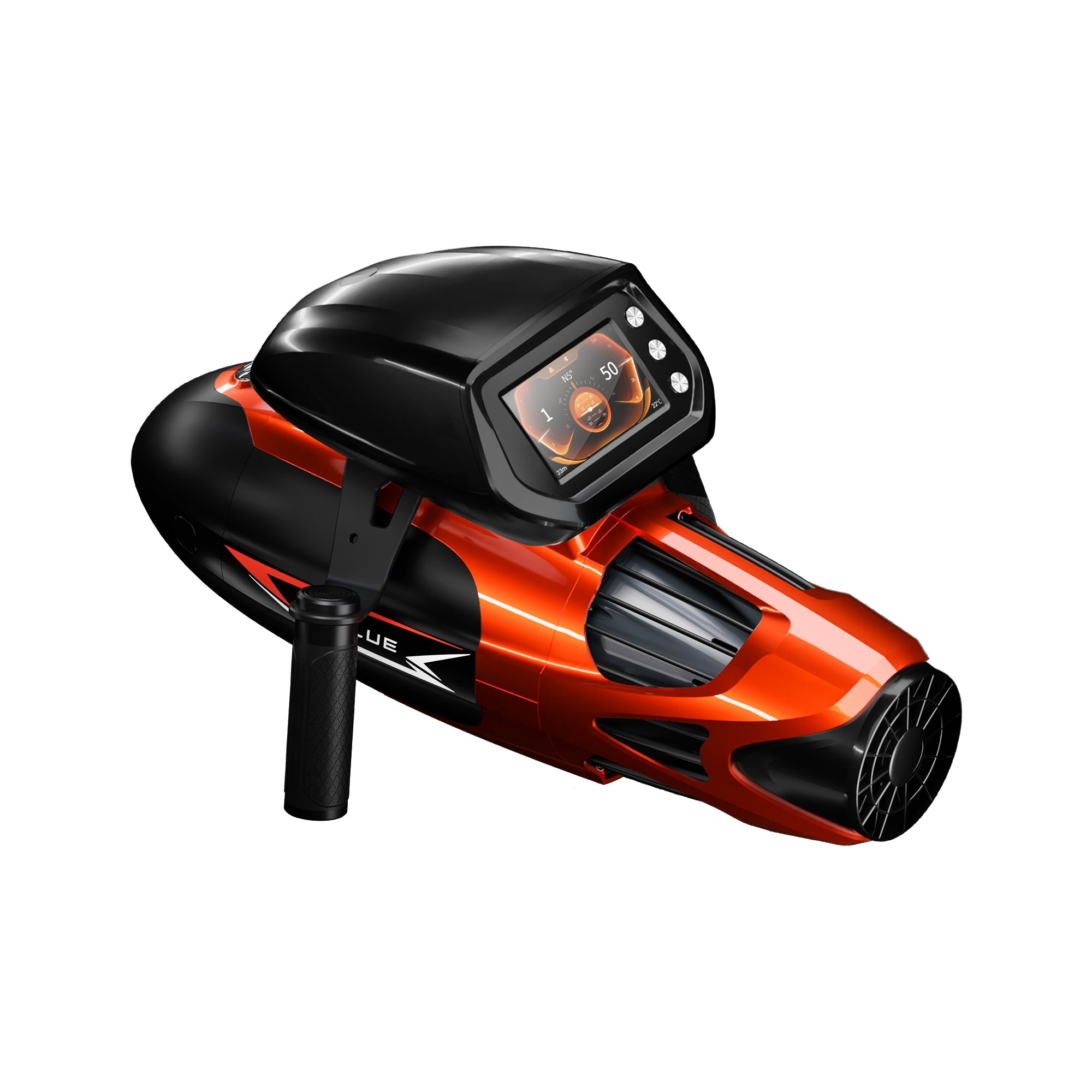
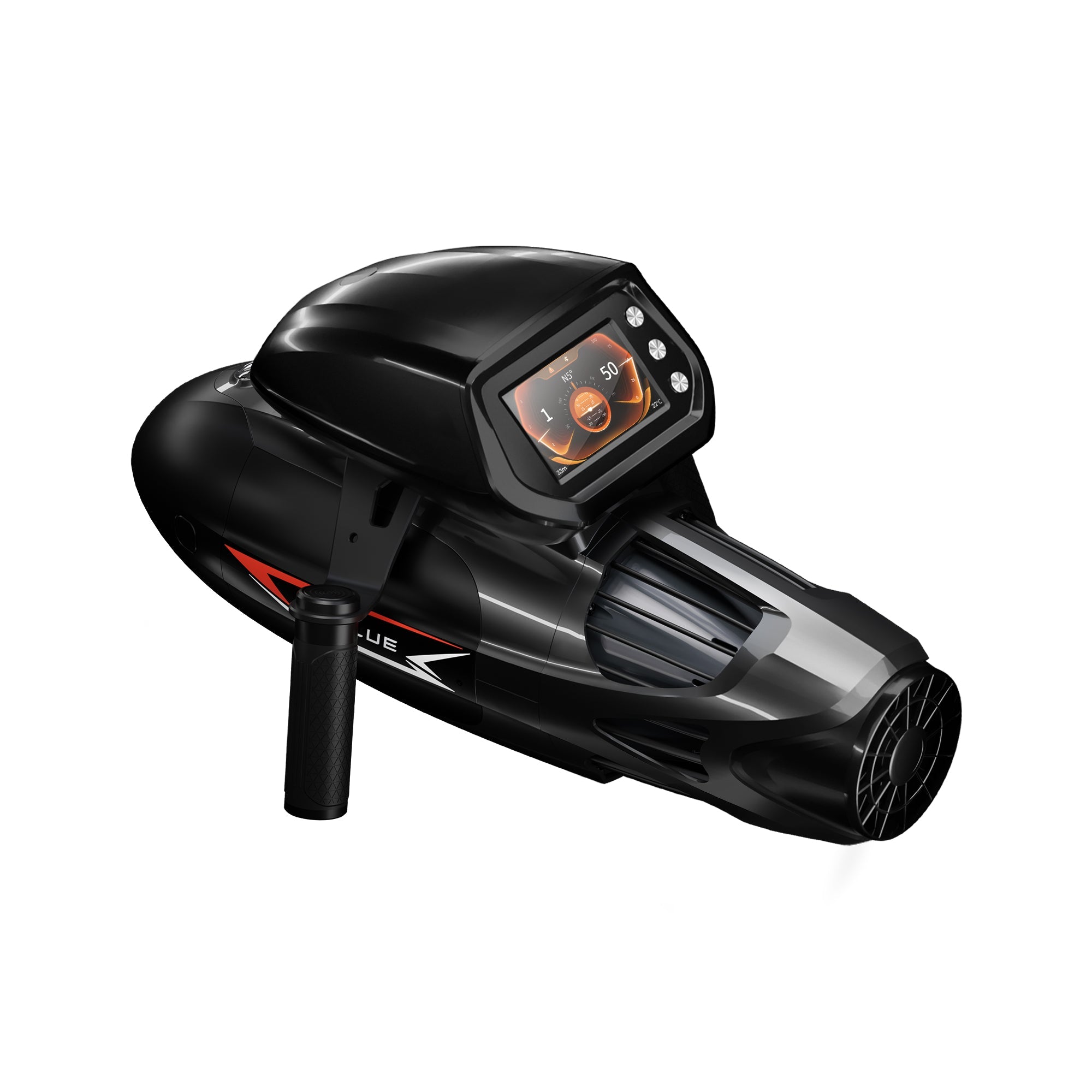
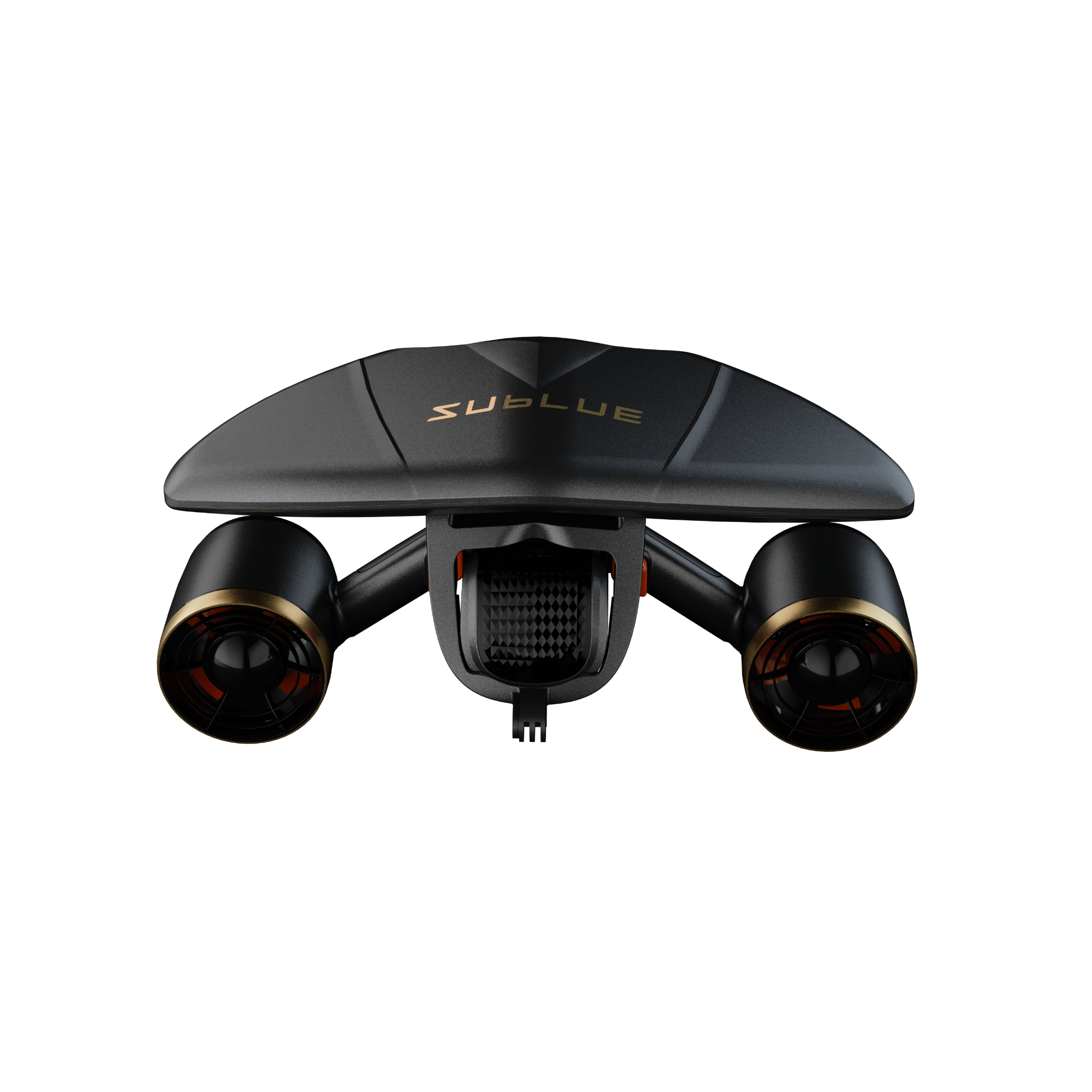
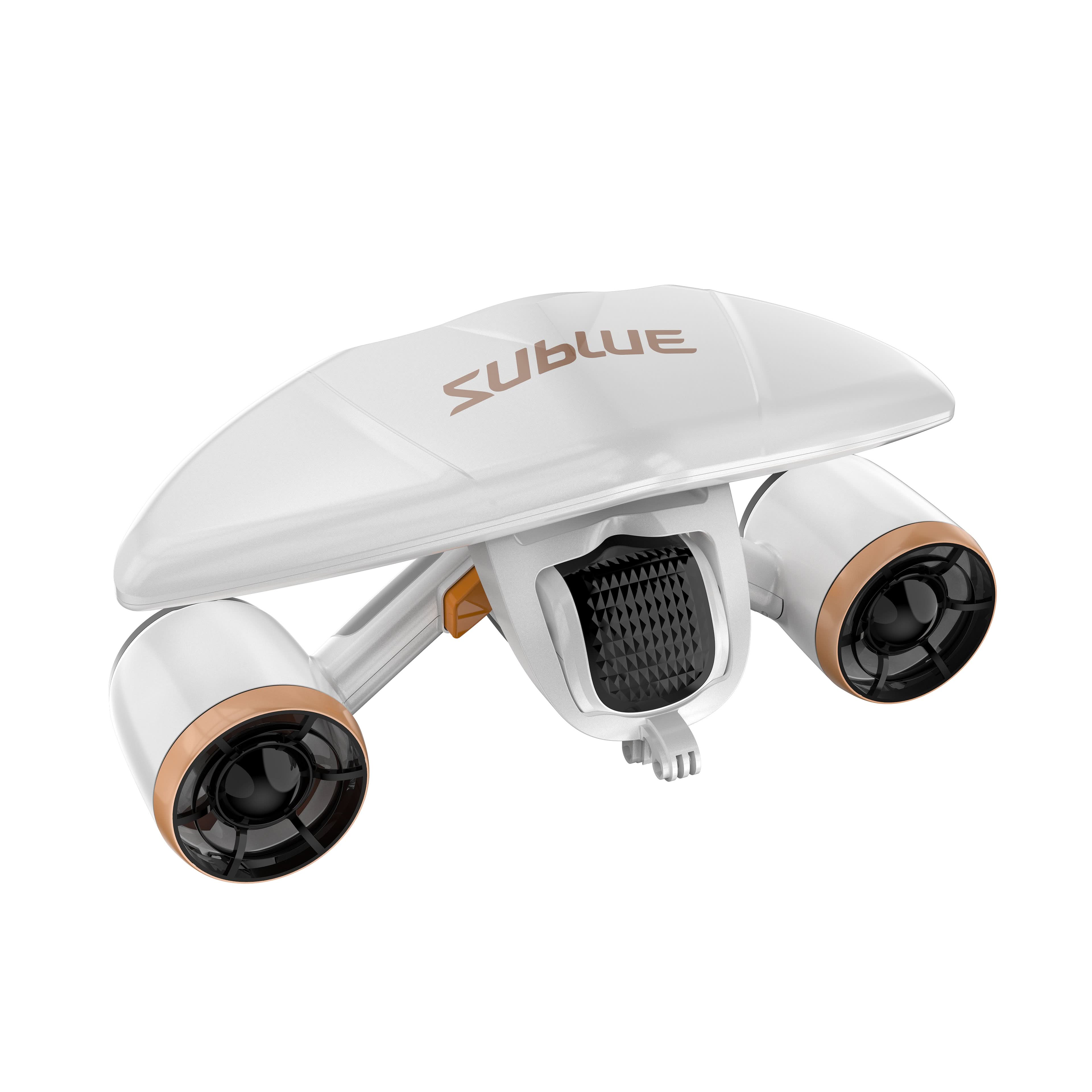
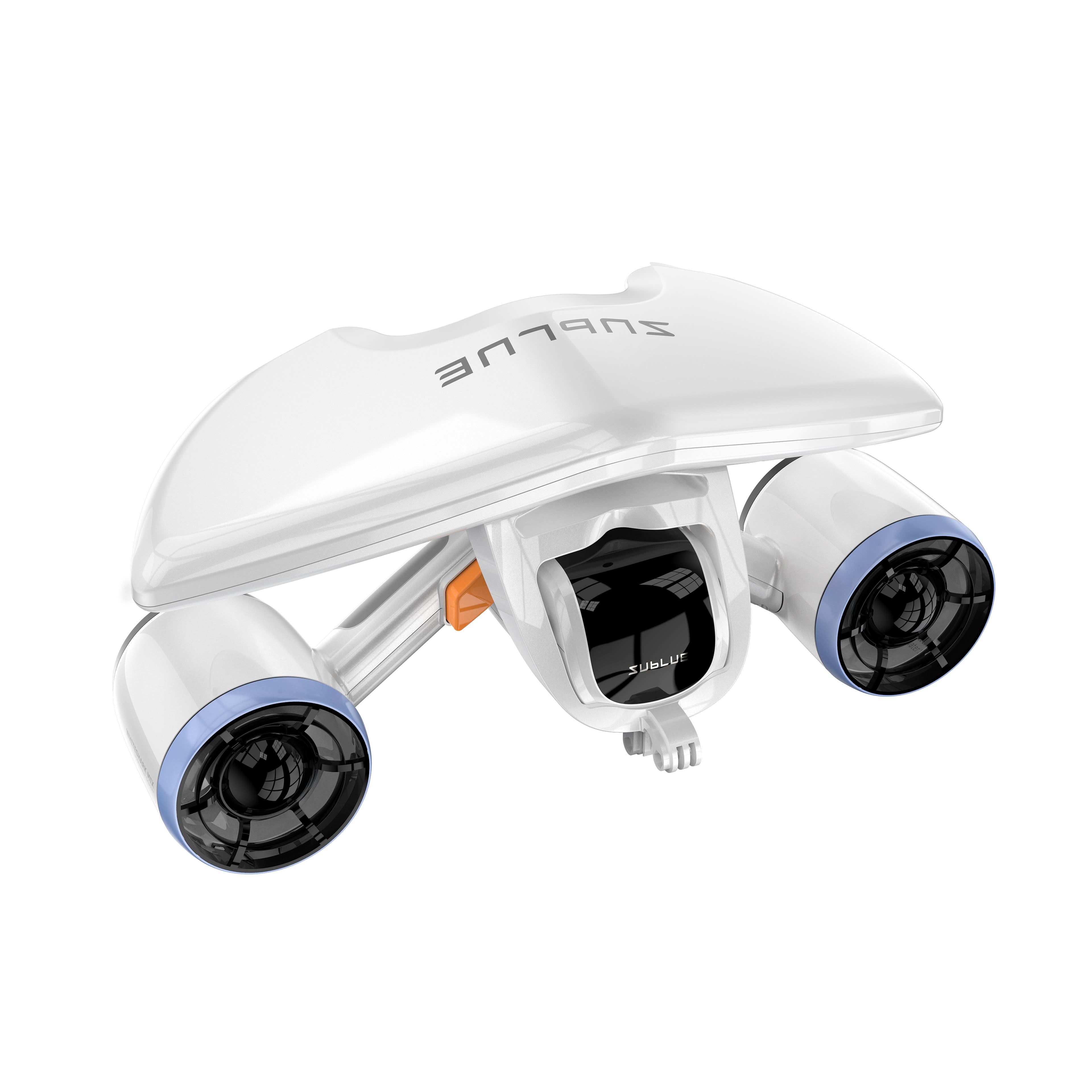
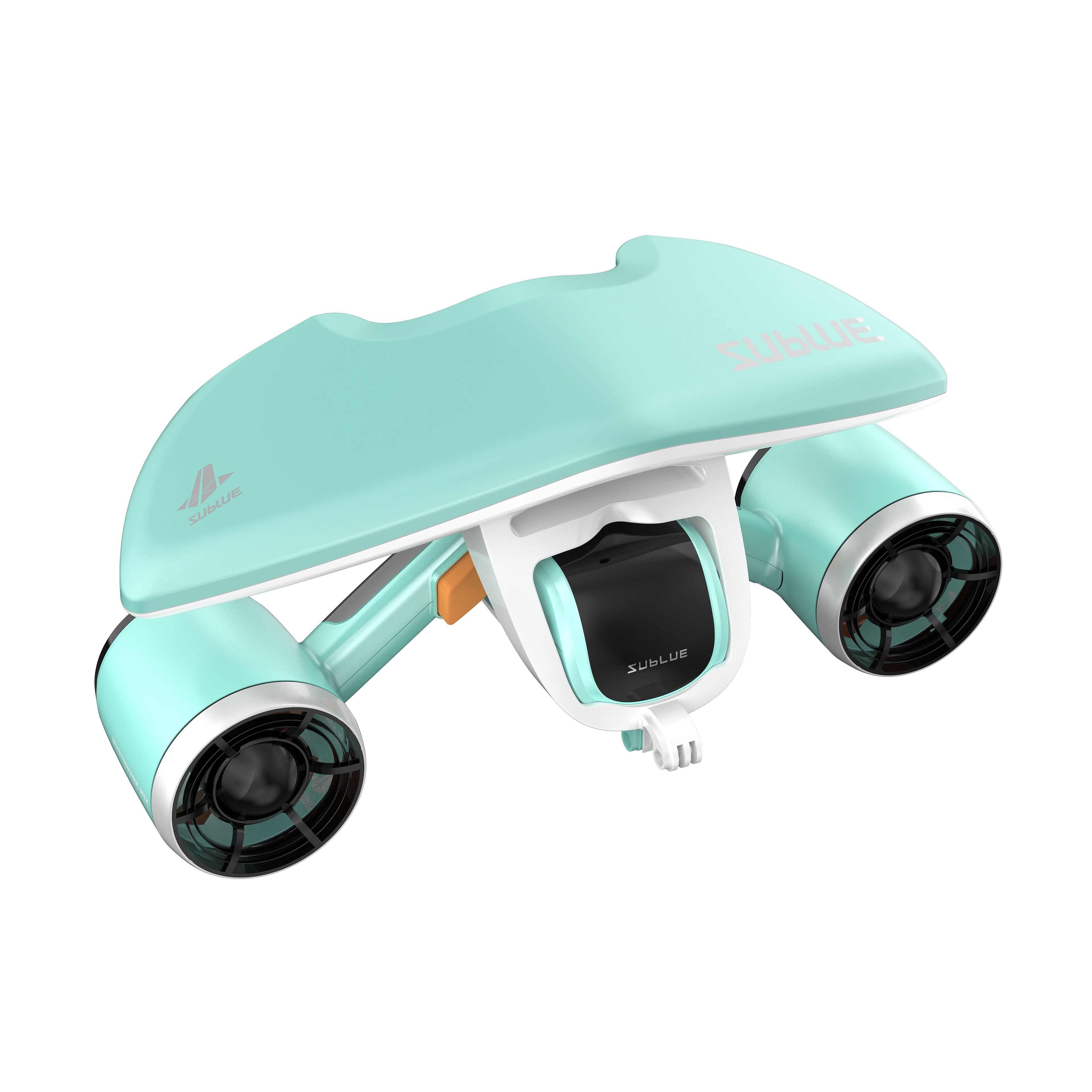
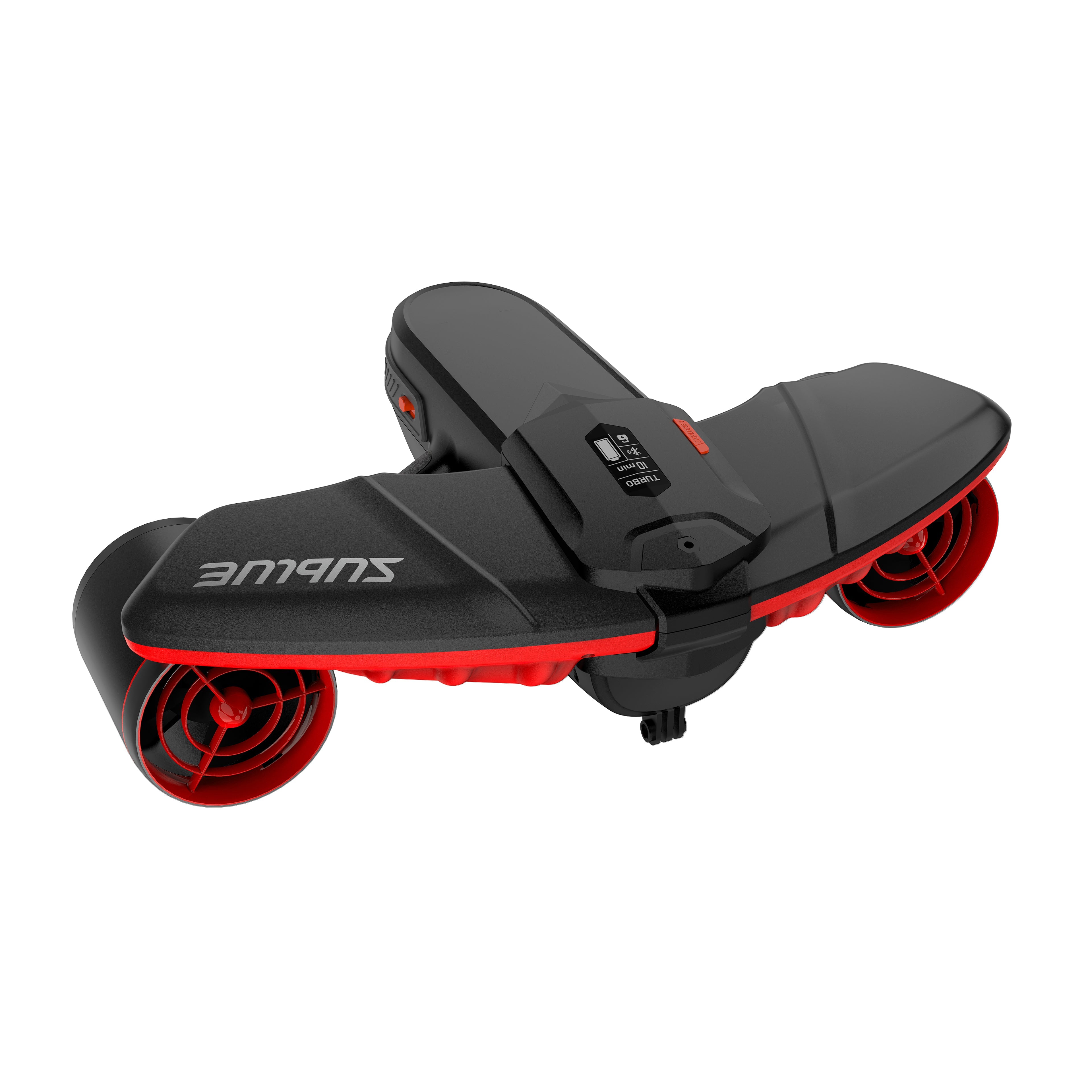
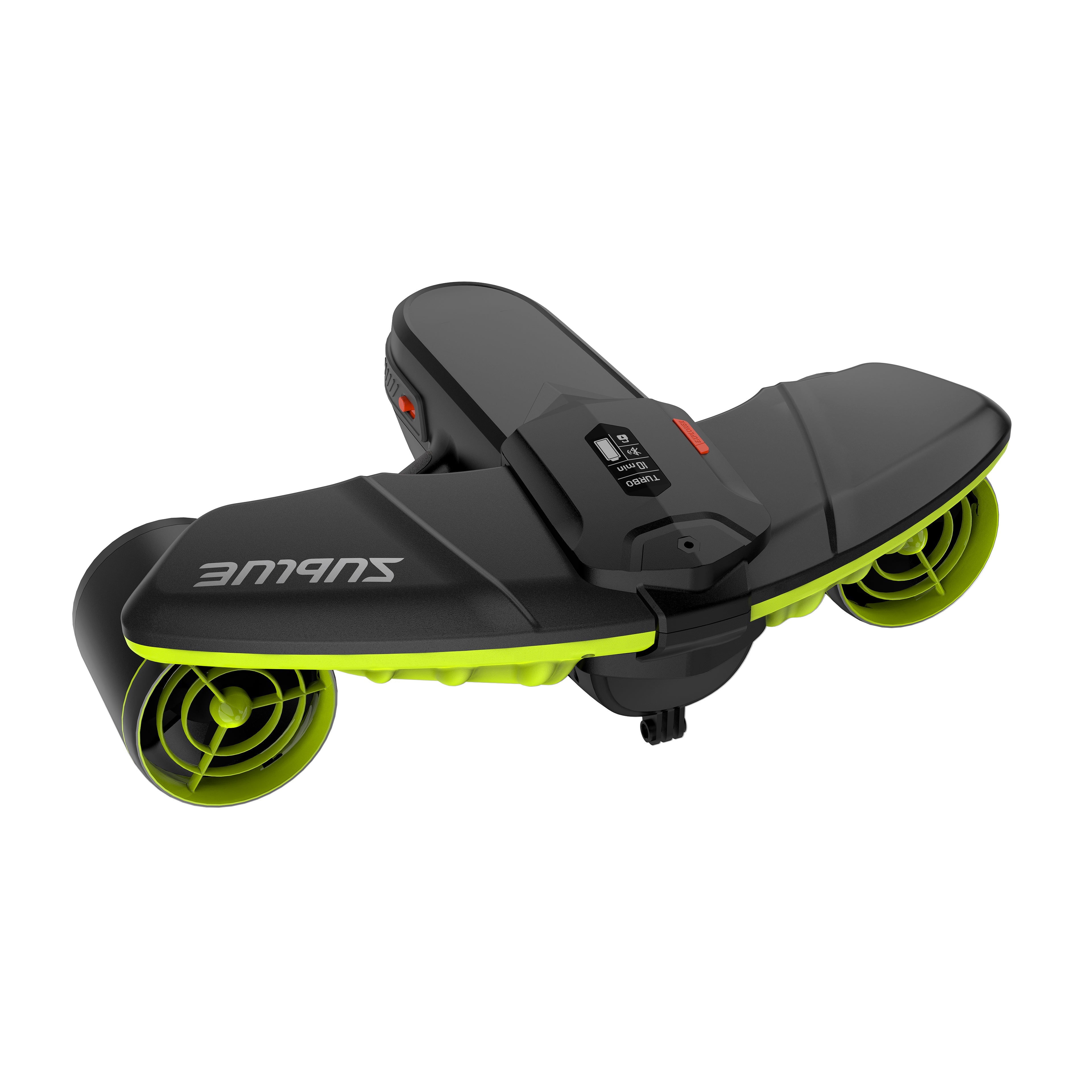
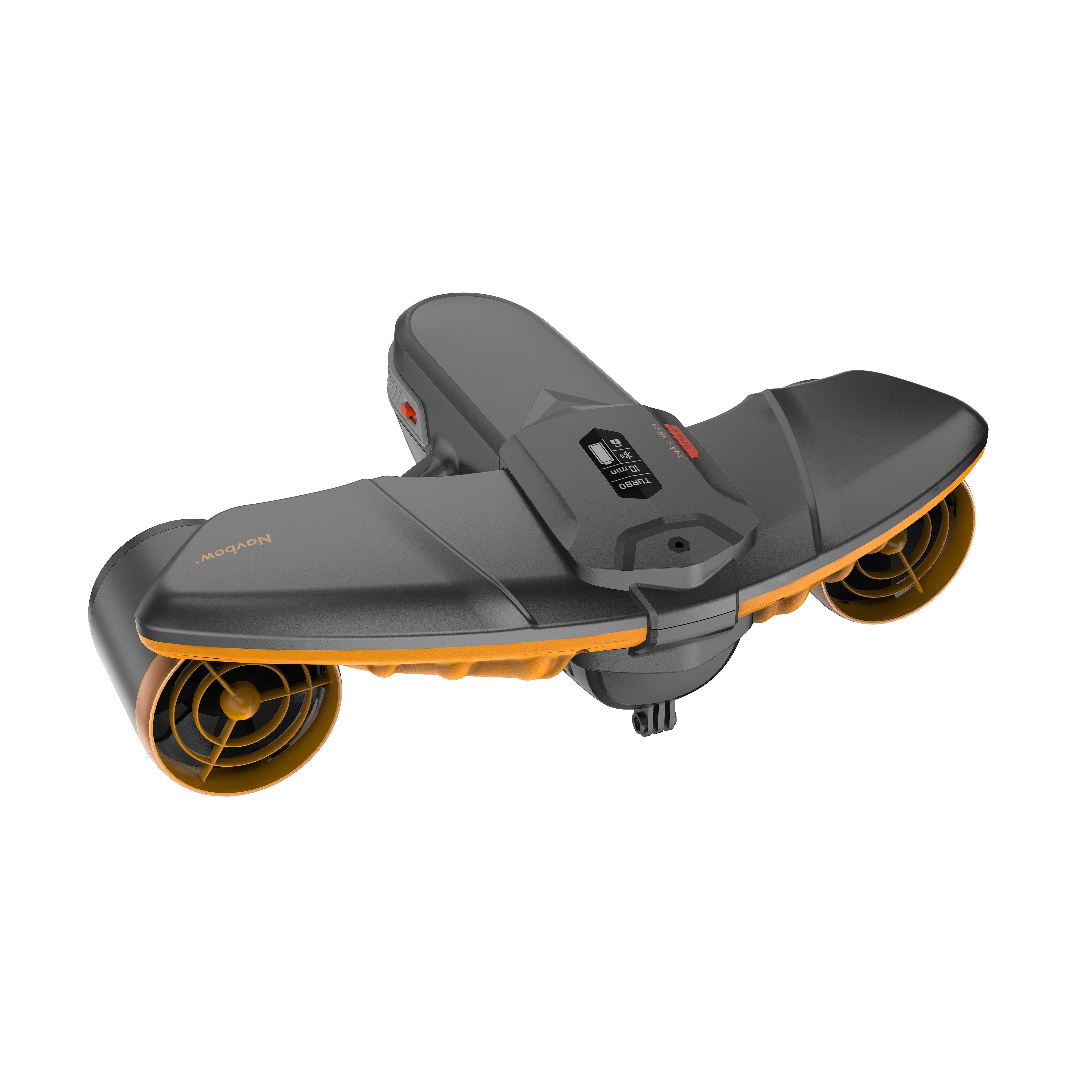
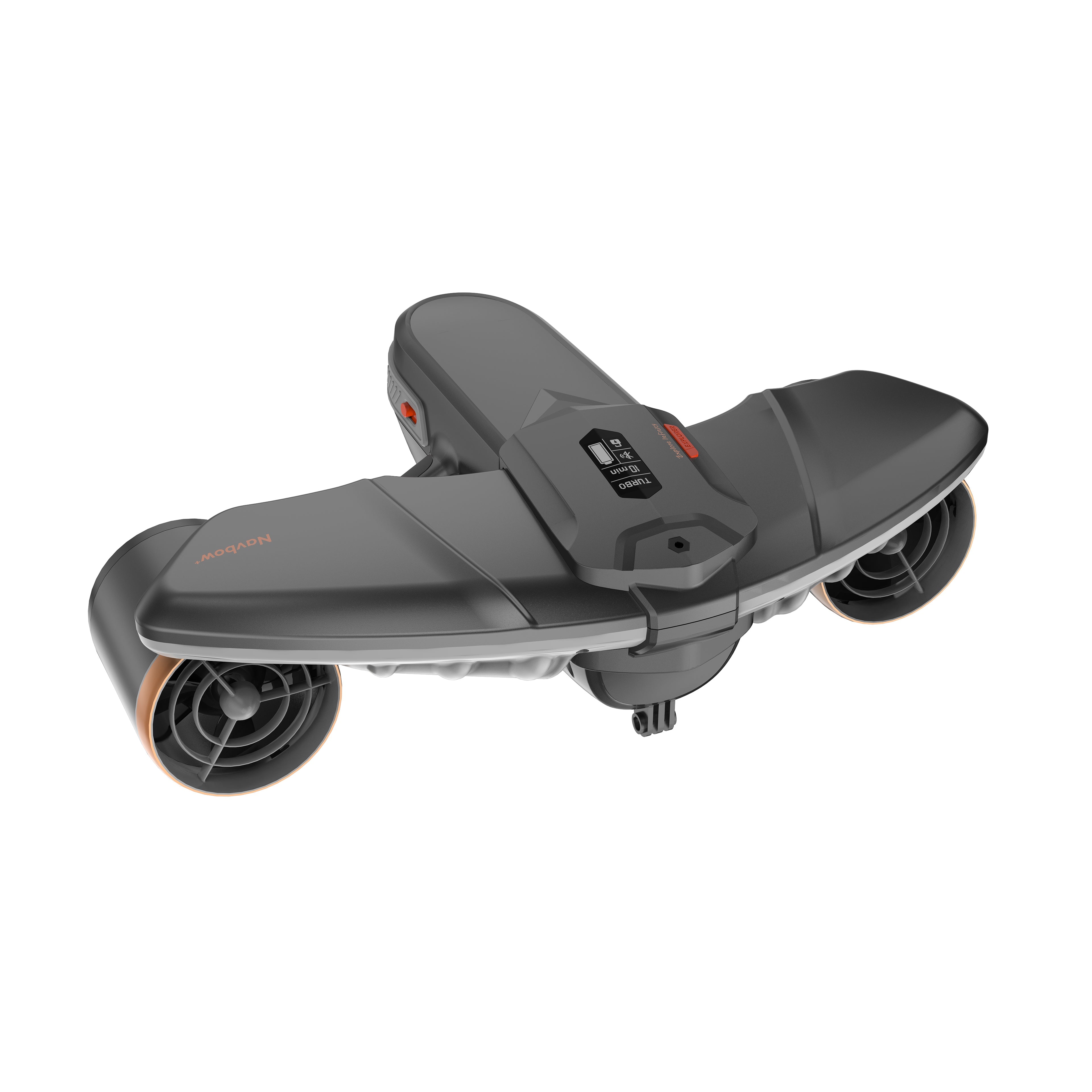
A sea scooter is a battery-powered underwater propulsion device designed to help users move through the water with less effort. They are popular for snorkeling, swimming, underwater exploration, and recreational water activities.
Yes. Most sea scooters are designed for simple operation and can be enjoyed by beginners and experienced water enthusiasts alike. Many models feature intuitive controls and multiple speed settings.
Sea scooters are commonly used in lakes, calm rivers, bays, coastal waters, and popular snorkeling destinations. Always follow manufacturer guidelines and local regulations when operating a sea scooter.
Filters
More Questions About Sea Scooters
Still deciding? Here are answers to additional questions buyers often ask when looking at sea scooters.
Yes. Many sea scooters are designed for recreational users and are easy to learn. Most riders become comfortable using them after only a short period of practice.
Absolutely. Sea scooters are popular among snorkelers because they help conserve energy and allow users to explore larger areas with less effort.
Speed varies by model. Many recreational sea scooters are designed to provide a balance of performance, safety, and battery efficiency for enjoyable underwater exploration.
Battery life varies depending on speed, conditions, and model specifications. Most manufacturers provide estimated run times for each product.
Yes. Many sea scooters are designed for use in both freshwater and saltwater environments. Proper rinsing and maintenance after saltwater use can help extend the life of the unit.
When used according to manufacturer guidelines, sea scooters can provide a safe and enjoyable experience. Users should always follow safety recommendations, supervise children, and wear appropriate flotation or snorkeling equipment when needed.
Important considerations include speed, battery life, depth rating, portability, intended use, and whether the unit will be used for recreational swimming, snorkeling, or underwater exploration.