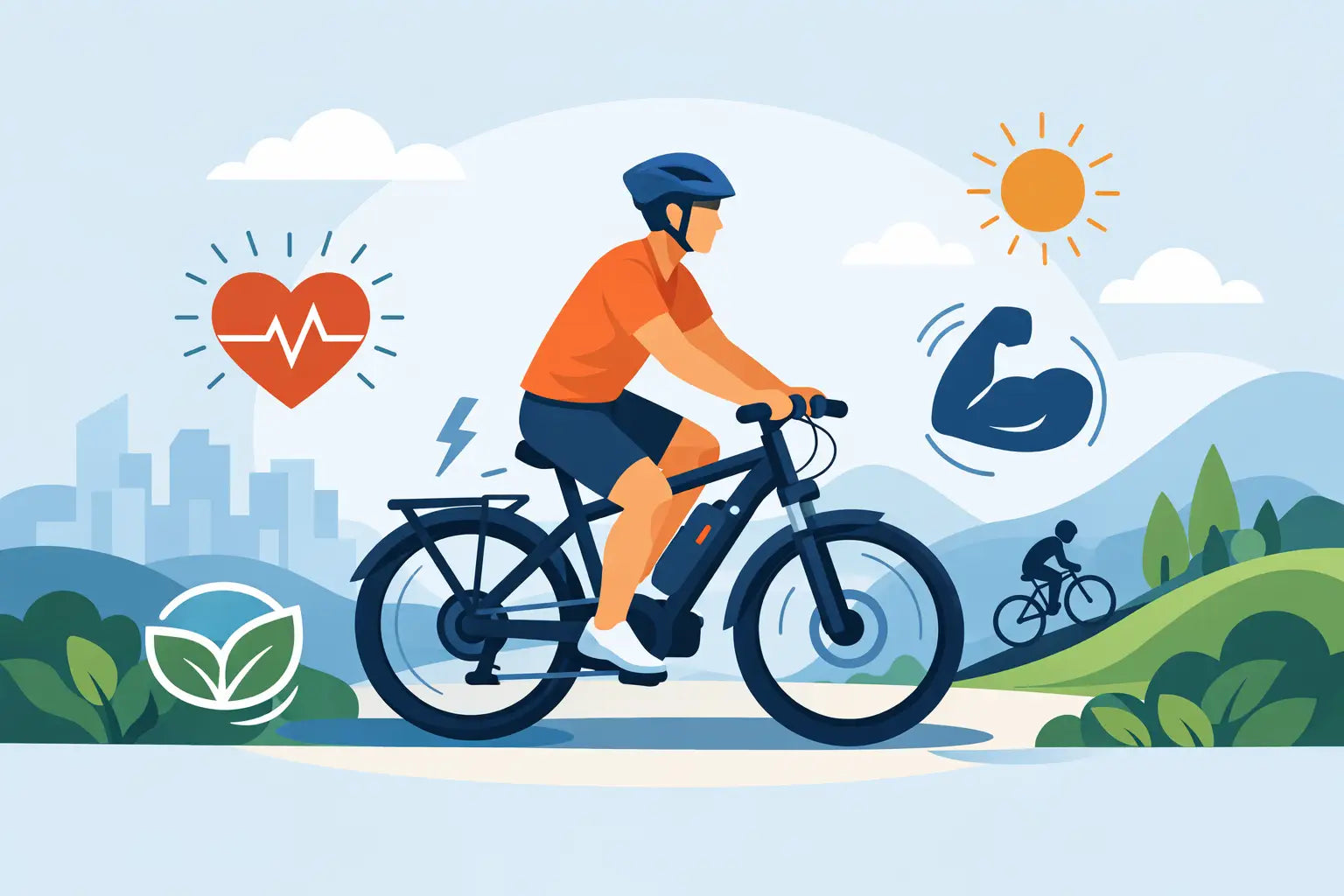
Are Electric Bikes Good Exercise? Yes, Here's Why
Explore our collection of electric bikes designed for comfortable pedaling, adjustable assistance, and more confidence on everyday rides. As an authorized dealer, Open Air Lifestyles offers trusted brands backed by knowledgeable customer support to help you compare frame styles, comfort features, battery range, and motor systems.
👉 Browse Our Electric Bike Collection
A steep hill can turn a promising bike ride into a reason to head home early. Pedal-assist e-bikes change that equation. So, are electric bikes good exercise? For most riders, yes. They can deliver meaningful physical activity while making it easier to ride farther, more often, and with greater confidence.
The key is understanding what an e-bike does - and what it does not do. A pedal-assist electric bike adds power when you pedal; it does not do all the work for you. You still turn the pedals, balance the bike, steer, respond to terrain, and choose how much effort to put in. That flexibility is exactly why e-bikes can be such a practical fitness tool for active adults, returning cyclists, and anyone who wants more outdoor time without every ride feeling like a workout test.
Why Electric Bikes Can Be Real Exercise
Exercise is not limited to all-out effort. Consistent movement that elevates your breathing and heart rate, works major muscle groups, and fits into your routine has real value. An e-bike can do all three, especially when you select a lower assist setting or ride on varied terrain.
Pedaling engages your legs, including your quadriceps, hamstrings, calves, and glutes. Your core and upper body also work continuously to maintain balance, control the handlebars, and stay stable through turns, starts, and changes in surface. On a longer route, those smaller efforts add up.
The biggest advantage is often time in the saddle. A rider who might stop after a few miles on a conventional bicycle may comfortably ride 10, 15, or 25 miles with pedal assist. More distance can mean more total movement, more fresh air, and more opportunities to make cycling a regular habit. A pleasant ride you repeat several times a week is generally more valuable than an overly difficult ride you avoid.
E-bikes can also make cycling more approachable after a period of inactivity, a knee concern, or a change in fitness level. The motor can reduce the strain of starting from a stop, climbing a hill, or riding into a headwind. It is support when you need it, not a requirement to coast through the entire ride.
Are Electric Bikes Good Exercise for Every Fitness Goal?
They can be, but the right answer depends on your goal and how you ride. If your priority is gentle daily movement, joint-friendly cardio, or staying active while enjoying local paths and neighborhoods, an e-bike is an excellent option. If you are training for a high-level cycling event, you may need more deliberate intervals, reduced assist, or traditional-bike sessions alongside e-bike rides.
Think of pedal assist as a volume knob for effort. Higher assist can help you arrive at a destination without feeling depleted. Lower assist requires more of your own power and can turn familiar routes into a stronger workout. Many riders naturally use both: more assistance on the climb out of the neighborhood, then less assistance on a flat trail where they feel comfortable working harder.
A throttle-equipped e-bike may offer a different experience. Using a throttle occasionally can be useful for getting moving at an intersection, managing a difficult hill, or taking a break. But if fitness is a primary goal, choose a bike with pedal assist and make pedaling the main source of motion. The more consistently you pedal, the more active the ride becomes.
How to Get More Fitness From an E-Bike Ride
You do not need to turn every outing into a training plan. Small choices make a noticeable difference over time. Begin with an assist level that lets you maintain a smooth pedal cadence and finish feeling energized rather than worn down. As your comfort improves, lower the assist for portions of the ride or add a few gradual hills.
Route selection matters, too. A paved greenway is ideal for building confidence and steady endurance. Rolling paths add natural intervals as you work a bit more on rises and recover on descents. Errands and casual neighborhood rides count as movement as well. Riding to a coffee shop, visiting friends, or cruising a waterfront path can be a welcome replacement for another car trip.
For riders who enjoy more structure, try alternating your effort during a 30- to 45-minute outing. Pedal at a comfortably challenging pace for a few minutes with lower assistance, then raise the assist level for a relaxed recovery. Keep the effort conversational at first. You should be able to speak in short sentences, even if you are breathing more deeply.
Comfort is not a distraction from fitness. It is what helps you ride again tomorrow. A properly fitted frame, supportive saddle, upright riding position, and easy-to-reach controls can reduce aches that otherwise cut rides short. Many active adults find that a step-through frame makes mounting and dismounting simpler, particularly when stopping frequently or carrying a small bag.
What an E-Bike Cannot Replace
An e-bike is a valuable part of an active lifestyle, but it is not a complete fitness program by itself. Cycling does not provide the same weight-bearing impact as walking, hiking, or strength training, which can be important for bone health and overall function. It also does not replace mobility work or the upper-body strength needed for everyday tasks.
The practical answer is variety. Use e-bike rides for enjoyable cardio and outdoor recreation, then add walks, light resistance training, stretching, gardening, paddling, or other activities you genuinely like. For someone returning to exercise after an injury, surgery, or a long break, it is wise to discuss a new routine with a qualified health professional.
Safety supports consistency, too. Wear a properly fitted helmet, start on familiar routes, and allow extra room for braking because e-bikes can be heavier than standard bicycles. Learn the bike's assist settings before taking on busy traffic or steep terrain. A quality lock, lights, and a rearview mirror can also make routine rides more practical and reassuring.
Choosing an E-Bike That Encourages You to Ride
The best exercise e-bike is usually the one that fits your body, your routes, and your reasons for getting outside. A lightweight commuter-style model can be a smart choice for paved paths, neighborhood errands, and easy storage. A fat-tire e-bike may feel more stable and capable on packed gravel, beach-adjacent routes, or uneven ground. For riders who value easy access, a step-through design offers confidence at stops without sacrificing the enjoyment of longer rides.
Battery range deserves a realistic look. Manufacturer range estimates vary with rider weight, terrain, wind, tire pressure, cargo, temperature, and the amount of assist used. Choose enough range for your typical outing with a comfortable margin, rather than planning every ride around the maximum estimate. A removable battery can be especially convenient if you prefer charging indoors.
Service and support matter just as much as specifications. An e-bike is a long-term piece of outdoor equipment with electrical components, moving parts, and fit considerations. Buying from an authorized dealer helps provide confidence in product authenticity, manufacturer warranty coverage, and access to knowledgeable help when questions arise. At Open Air Lifestyles, real customer support can help riders compare models and choose an e-bike that feels like an invitation to get outside, not another complicated purchase.
The Best Workout Is the Ride You Look Forward To
Some days, the best choice may be low assist and a challenging route. On others, it may be a relaxed cruise with enough power to handle the hill home comfortably. Both can support a more active life.
An electric bike removes many of the small barriers that keep people indoors: intimidating climbs, worries about keeping pace, fatigue on the return trip, and the feeling that every outing has to be difficult to count. Charge the battery, set the assist for the day you have, and give yourself a reason to take the long way home. That is a simple, sustainable way to keep living your best outdoor life.