Best Fish Finder for Kayaks: What to Buy
Explore our collection of fish finders and marine electronics designed to help anglers navigate, locate fish, and spend more time enjoying the water.
👉 Browse Our Fish Finder Collection
A fish finder that works beautifully on a bass boat can feel oversized, awkward, or power-hungry once you put it on a kayak. That is why choosing the best fish finder for kayaks is less about buying the most advanced unit and more about matching the electronics to the way you actually fish.
For most kayak anglers, the sweet spot is a unit that is easy to read in bright sun, simple to mount, efficient on battery draw, and accurate enough to help you find drop-offs, bait, structure, and fish without cluttering a small cockpit. The right setup adds confidence and saves time on the water. The wrong one turns into extra weight, extra wiring, and one more thing to fuss with before launch.
What makes the best fish finder for kayaks different?
Kayaks create a very different environment than larger fishing boats. Space is tight, weight matters, and many anglers are launching from ramps, shorelines, or cart paths where portability is part of the routine. A fish finder for a kayak has to do more with less.
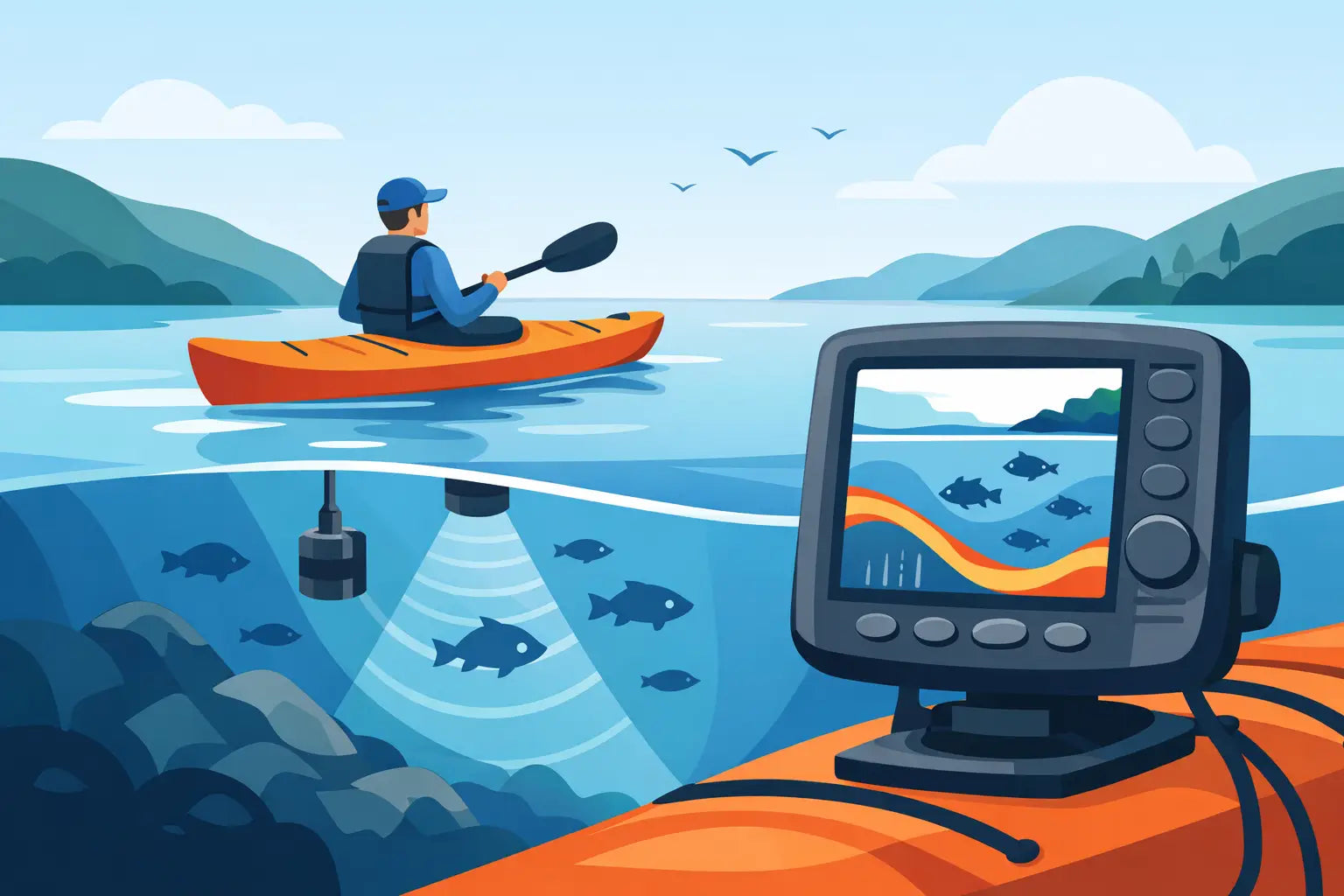
That usually means focusing on four things first. Screen size needs to be large enough to read at a glance but not so large that it crowds your cockpit. Power use matters because most kayak anglers rely on compact batteries rather than a full marine electrical system. Mounting needs to stay secure without interfering with paddling, pedaling, or rod handling. And the transducer setup has to make sense for the hull and your fishing style.
In practice, many kayak owners end up happiest with a compact or mid-sized unit rather than the biggest model in the lineup. A 4- to 7-inch display is often the most practical range. Larger screens can be excellent, especially on pedal kayaks with dedicated electronics rails, but they are not automatically better.
The features that matter most
The best fish finder for kayaks should make your day easier, not more complicated. A clear display is the first priority. If you fish in direct sun, brightness and contrast matter more than extra menu layers. Touchscreens can look attractive, but physical buttons are often easier to use with wet hands or in rough conditions.
Sonar type is the next big decision. Traditional CHIRP sonar is enough for many anglers who want reliable depth readings, bottom contour detail, and fish arches. Down imaging or similar high-detail views can be very helpful if you spend a lot of time fishing brush piles, ledges, rock, or standing timber. Side imaging can be a major advantage, but it tends to raise both price and power demand, and it is not always essential for smaller water or casual trips.
GPS is another feature worth serious consideration. On a kayak, being able to mark productive spots, follow a breakline, or return to a launch point can make a real difference. If you fish unfamiliar lakes, larger reservoirs, or tidal water, mapping and waypoint capability often justify the added cost.
Wi-Fi, phone syncing, and advanced networking features can be useful, but they usually come after the basics. If your main goal is finding fish efficiently and enjoying a cleaner, simpler setup, start with sonar clarity, ease of use, and battery efficiency.
Choosing the right screen size
Bigger is easier to read, but there is a point where bigger becomes inconvenient. A 5-inch screen is a strong starting point for many kayak anglers. It gives you enough room to view sonar clearly without taking over your deck space. A 7-inch model can be excellent if your kayak has a stable platform and a good mounting location, especially if you want split-screen views for sonar and GPS.
A 4-inch model can still work well for minimalists or anglers who fish smaller water and want the lightest possible rig. The trade-off is readability. If your eyesight is not what it used to be, or if you prefer quick, easy glances instead of leaning in to interpret a screen, moving up to a 5- or 7-inch display is usually worth it.
Battery and power considerations
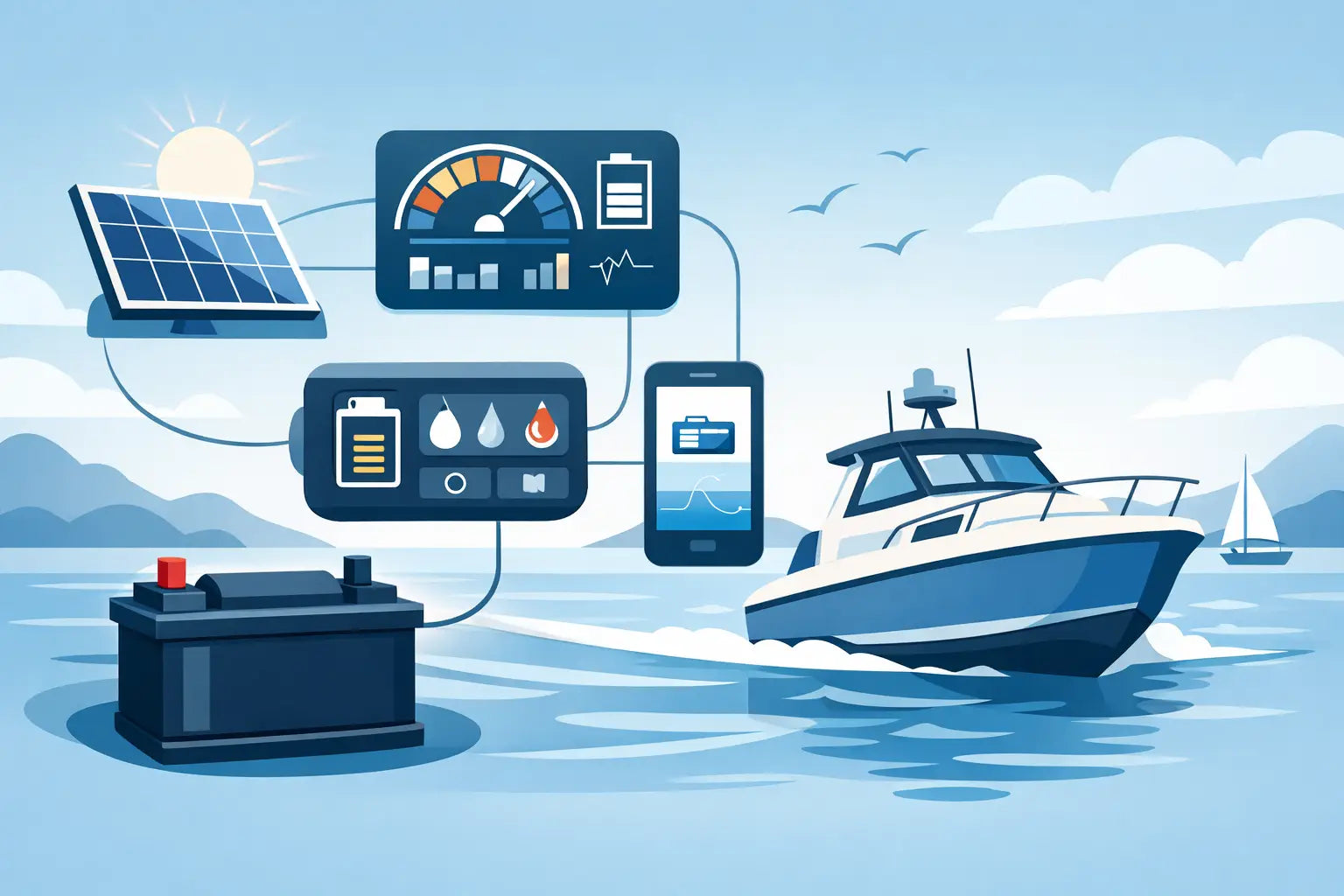
Power planning is one of the most overlooked parts of a kayak fish finder setup. Unlike a larger boat, you do not have endless room for battery capacity. The battery needs to be compact, protected from water, and matched to the fish finder's draw.
Lithium batteries have become a favorite for kayak use because they are lighter and more compact than many sealed lead acid options. They also tend to make the kayak easier to load, unload, and transport. That said, battery run time depends on screen brightness, sonar settings, GPS use, and how many hours you stay on the water.
If you fish full days, use mapping regularly, or run a larger screen, it is smart to size your battery with some margin. Nobody wants to lose electronics halfway through a trip. A clean battery box, proper fuse protection, and tidy wiring matter just as much as the fish finder itself.
Mounting and transducer setup
Mounting is where a good purchase can become a frustrating one if you do not think through installation. The best setup keeps the screen visible and reachable without getting in the way of paddling, casting, landing fish, or entering and exiting the kayak.
Track-mounted systems are popular because they allow flexibility without drilling permanent holes in every location. They also make it easier to adjust the viewing angle. For transducers, some kayaks offer dedicated recesses or scupper-compatible mounting options, while others require arm mounts or in-hull solutions.
Each approach has trade-offs. A recessed or protected transducer mount helps reduce the chance of impact in shallow water or during transport. Arm mounts can be easy to install and remove, which many anglers appreciate, but they may create extra drag or be more exposed. In-hull mounting can simplify protection, though sonar performance may vary depending on hull material and installation quality.
If you are buying both a kayak and electronics, it helps to think of them as one system rather than two separate purchases.
Which type of kayak angler are you?
The best fish finder for kayaks depends a lot on how and where you fish. If you spend most of your time on small lakes, ponds, or sheltered inland water, a basic CHIRP sonar unit with GPS may be all you need. It keeps the system simple, affordable, and easy to manage.
If you target crappie, bass, or walleye around submerged cover and contour changes, adding down imaging can help you separate structure from fish more confidently. If you cover a lot of open water, fish large reservoirs, or want to scan wider areas before making repeated passes, side imaging may earn its keep.
There is also the question of propulsion. Paddle kayaks often benefit from a lighter, more compact electronics package. Pedal kayaks can usually support a little more screen size and accessory weight because your hands stay free and the platform often feels more boat-like. Motorized kayaks can handle even more, but weight distribution and battery planning still matter.
Price versus long-term value
It is tempting to shop by price alone, but fish finders are a category where value matters more than the cheapest number on the screen. A low-cost unit that is hard to read, lacks reliable mounting options, or drains your battery too quickly can become a disappointment. On the other hand, paying for every advanced feature available may not improve your fishing if you never use half of them.
For many buyers, the best value sits in the mid-range. You get a bright display, dependable sonar, GPS functionality, and enough capability to grow into without turning your kayak into an electronics project. This is especially true for active adults and recreational anglers who want confidence and convenience more than endless complexity.
Buying from an authorized dealer also matters more than many people realize. Good support, warranty backing, and access to real product guidance can save time and frustration, especially if you are pairing electronics with batteries, mounts, or a new kayak setup.
A practical way to choose with confidence
If you are narrowing down options, start by asking three simple questions. First, where do you fish most often: small inland water, larger lakes, rivers, or coastal areas? Second, how much cockpit space and battery capacity does your kayak realistically support? Third, do you want a simple fish-finding tool, or do you want detailed mapping and imaging features that support more technical fishing?
That framework usually points you in the right direction quickly. A compact unit with CHIRP and GPS suits many kayak anglers very well. A mid-sized unit with added imaging is a smart step up for anglers who want more detail. Large, high-feature systems make sense for some premium kayak rigs, but only when the platform and fishing style support them.
The best days on the water are the ones where your gear works quietly in the background and helps you focus on the fishing. Choose a fish finder that fits your kayak, your water, and your habits, and you will spend less time second-guessing your setup and more time enjoying the kind of confidence that makes it easier to keep Living Your Best Outdoor Life.
Related Guides
Continue learning with these helpful articles:
Best Inflatable Kayak for Beginners – Learn how to choose the right inflatable kayak based on stability, weight capacity, portability, and where you plan to paddle.
openairlifestyles.com/blogs/news/best-inflatable-kayak-for-beginners
Tandem Fishing Kayak Guide – Explore what to look for when selecting a tandem kayak for fishing, including seating, storage, stability, and performance.
openairlifestyles.com/blogs/news/tandem-fishing-kayak-guide
Best Trolling Motor for Pontoon Boats – Find out how to match thrust, voltage, shaft length, and features to your pontoon boat for dependable performance.
openairlifestyles.com/blogs/news/best-trolling-motor-for-pontoon-boat-picks
Bow Mount Trolling Motor Setup Made Simple – Understand the basics of mounting, batteries, wiring, and setup for a reliable trolling motor installation.
openairlifestyles.com/blogs/news/bow-mount-trolling-motor-setup-made-simple
Marine Battery Monitor System Basics – Learn how battery monitoring systems help protect your investment and keep your electronics running efficiently on the water.
openairlifestyles.com/blogs/news/marine-battery-monitor-system-basics