Best GPS Chartplotter for Inland Lakes
Explore our collection of GPS chartplotters and marine navigation electronics designed to help you navigate with confidence on inland lakes, rivers, and coastal waters. As an authorized dealer, Open Air Lifestyles offers trusted brands backed by knowledgeable customer support to help you choose the right system for your boat.
👉 Browse Our GPS Chartplotter Collection
A foggy morning on a reservoir can make even a familiar shoreline feel different. That is where a gps chartplotter for inland lakes stops being a nice extra and starts feeling like one of the smartest upgrades on the boat. If you fish, cruise, or simply want an easier day on the water, the right unit helps you know where you are, track where you have been, and move with more confidence and ease.
For lake boating, the best chartplotter is not always the biggest, most expensive model on the shelf. Inland use has its own priorities. You may be dealing with stumps, coves, channel markers, fluctuating water levels, shallow flats, and smaller boats with limited dash space. A good buying decision comes down to matching the screen, mapping, sonar, and controls to the way you actually use your boat.
What makes a gps chartplotter for inland lakes different?
Coastal and offshore boaters often shop around tide data, radar integration, and big-water navigation. On inland lakes, the conversation usually shifts toward contour mapping, waypoint accuracy, shallow-water awareness, and ease of use. You want to see creek channels, humps, drop-offs, marinas, and no-wake areas clearly without needing a commercial helm to support it.
That means lake mapping matters more than many buyers expect. Some units look excellent in a product photo but become less useful if the preloaded charts do not cover your favorite reservoir in enough detail. Before you worry about advanced extras, make sure the chartplotter supports the lakes you run most often and offers mapping detail that matches your needs.
The other big difference is boat size. Many inland lake boats are bass boats, pontoons, skiffs, small aluminum fishing boats, or compact multi-species setups. Space is limited, power management matters, and simple operation is a real advantage. For many active adults and weekend boaters, a clear screen and straightforward controls are worth more than a long list of features they may never use.
Start with the map, not the machine
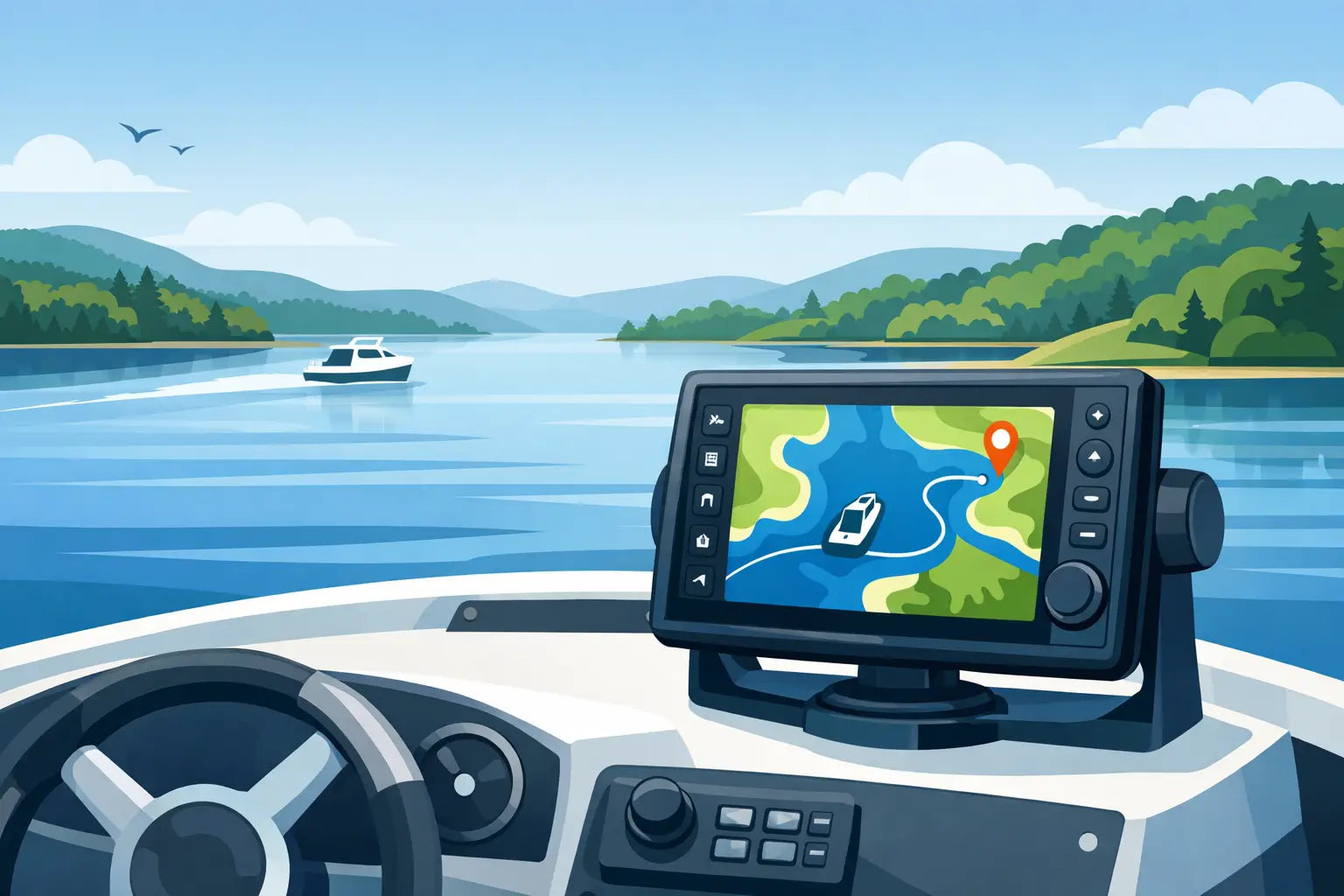
When choosing a gps chartplotter for inland lakes, the first question should be simple: does it have the right maps for where you boat? Detailed inland cartography can show shorelines, bottom contours, navigation aids, boat ramps, marinas, and hazard areas. On some lakes, that detail can make route planning and fishing much easier. On others, limited map coverage can leave you relying mostly on sonar and visual awareness.
Some boaters assume any chartplotter will have every lake ready to go. That is not always the case. Coverage varies by brand, chart package, and region. Some units also allow map upgrades or added chart cards, which can be helpful if you travel between states or split time between a home lake and vacation destinations.
If you fish structure, contour detail deserves extra attention. One-foot contours can be more useful than broad depth shading when you are trying to follow a ledge or locate a submerged point. If your boating is more about cruising and family recreation, you may care less about ultra-fine detail and more about clear shoreline views, route tracking, and easy waypoint marking for ramps, docks, and favorite coves.
Screen size matters more than spec sheets suggest
It is easy to focus on processing speed and feature lists, but screen size often shapes day-to-day satisfaction more than anything else. On inland lakes, a 5-inch or 7-inch display may be plenty for a smaller boat, especially if you want a clean install and simple operation. A larger screen becomes more attractive when you want split-screen views for charts and sonar at the same time.
The trade-off is straightforward. Bigger screens are easier to read at a glance, especially for older eyes or bright midday conditions. They also take up more space and raise the cost. A compact unit may fit the helm better, but if the screen feels cramped when you are underway, the lower price may not feel like much of a win later.
Touchscreen models can feel intuitive, much like a phone or tablet. Button-operated units still have a loyal following for good reason. Physical controls can be easier with wet hands, boat wake, or cold-weather gloves. Neither style is automatically better. It depends on your comfort level and the environment you boat in most often.
Do you need sonar, or just navigation?
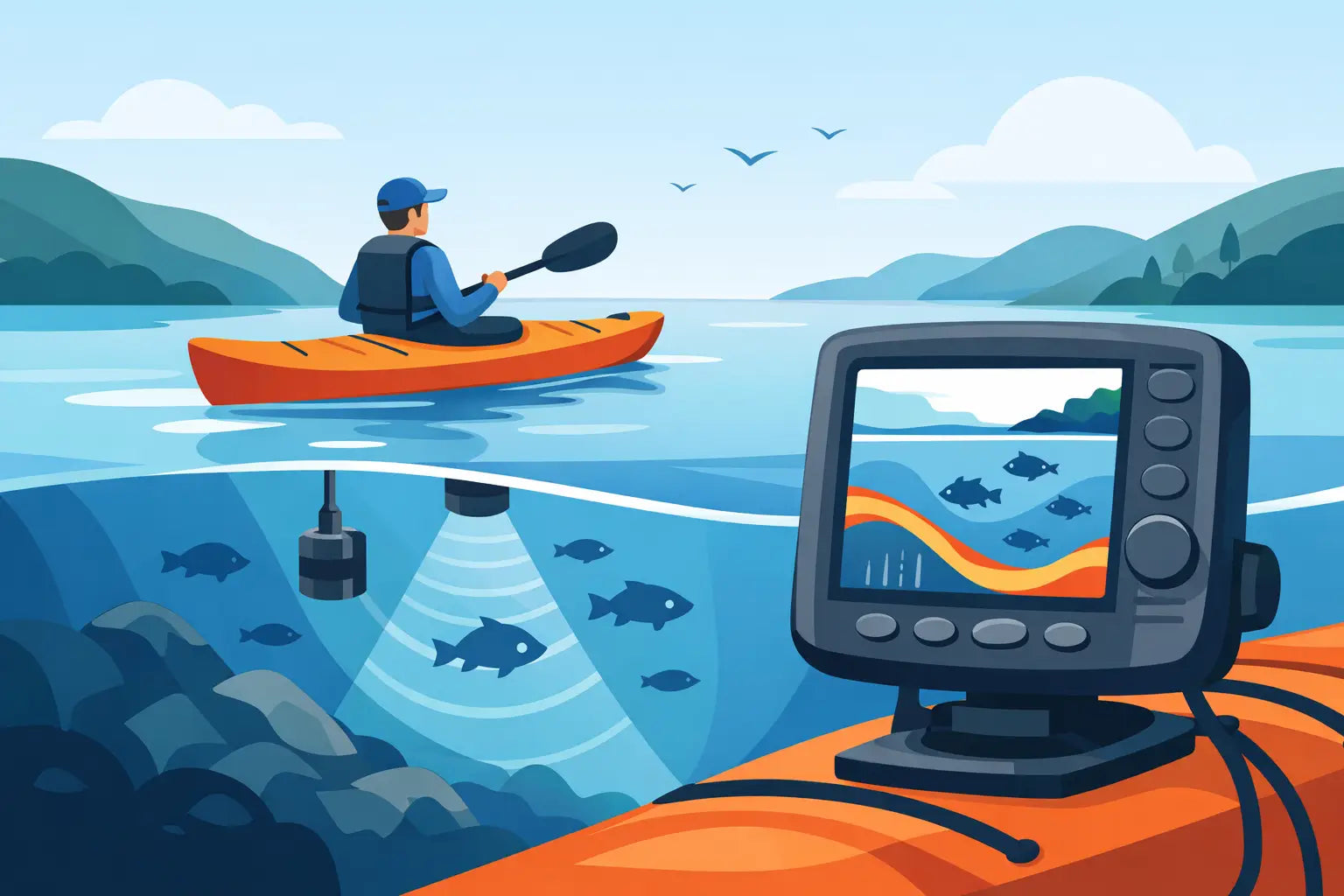
Many shoppers looking for a gps chartplotter for inland lakes are really choosing between a chartplotter-only unit and a combo model with fish finder functions. If you fish regularly, a combo unit is often the better value. It gives you navigation and sonar in one screen, which is practical on smaller boats and easier on the budget than buying separate systems.
Traditional sonar works well for general depth reading and fish arches. Down imaging and side imaging can add another layer of detail, especially around brush piles, standing timber, docks, and breaklines. These features can be very useful on inland lakes, but they are not mandatory for every boater. If your main goal is safe navigation, route tracking, and locating waypoints, basic sonar may be enough.
There is also the question of complexity. Advanced sonar can be excellent, but it helps most when the user is willing to learn how to read it. Some buyers are happiest with a simpler combo that starts quickly, marks spots easily, and gives dependable depth data without a steep learning curve.
Important features that are worth paying for
A few features tend to matter consistently on lakes. Fast GPS refresh and accurate positioning help when you are idling channels, following contour lines, or returning to a productive fishing spot. Waypoint management is also more useful than it sounds. Being able to save ramps, brush piles, hazard areas, and favorite anchor locations can make every trip easier.
Network capabilities are worth considering if you plan to grow your setup over time. Some boaters want to connect multiple displays, trolling motors, engines, or heading sensors. Others will never need that level of integration. It is smart to think one step ahead, but not five steps beyond how you actually boat today.
Brightness and screen readability deserve a close look too. Inland lake boating usually means full sun, glare, polarized sunglasses, and quick glances while moving. A display that looks great indoors but washes out outside can become frustrating fast.
Installation and boat fit are part of the buying decision
A chartplotter should fit your boat as well as your boating style. On a pontoon or runabout, a dash-mounted unit with a clear line of sight may work beautifully. On a kayak, jon boat, or smaller fishing rig, a compact bracket-mounted unit may be the practical choice. Before buying, think about helm space, viewing angle, power supply, and transducer placement if sonar is involved.
This is one area where expert help can save time and prevent mistakes. Compatibility questions are common, especially when you are pairing electronics with a trolling motor, adding a transducer, or trying to keep a clean installation on a smaller boat. Real customer support matters here because the right answer is often specific to your setup, not just the product page.
How to choose the right unit for your style of lake boating
If you mostly cruise, tow the grandkids, or enjoy relaxed days on the water, prioritize easy mapping, simple controls, and a bright screen. You likely do not need every premium sonar function. You do need a reliable display that makes ramps, marinas, channels, and favorite stops easy to find.
If you fish often, especially on larger reservoirs, a combo unit with detailed contours and better sonar is usually worth the investment. This is where side imaging, waypoint tools, and split-screen capability can make your time on the water more productive.
If you trailer to different lakes, pay extra attention to map expandability and regional coverage. A unit that works perfectly on your home lake may be less helpful if your travel lakes are not mapped in the same detail.
And if budget is part of the equation, it helps to be honest about what you will really use. A midrange model from a trusted brand often provides the best balance for inland boaters. You get dependable navigation, useful sonar, and room to grow without paying for offshore-focused features you may never touch.
Confidence matters as much as features
Buying marine electronics can feel more technical than it should. The good news is that a strong inland lake setup does not have to be complicated. What matters most is choosing a unit with the right lake maps, a screen you can read easily, and features that fit the way you spend time on the water.
For many boaters, that confidence comes not just from the product, but from buying through an authorized dealer that can answer questions before and after the sale. Open Air Lifestyles is built around that kind of support, helping customers compare options, understand trade-offs, and choose equipment that adds real value to their outdoor time.
The right chartplotter should make the lake feel simpler, not more complicated. Pick the one that helps you leave the dock with a clear plan, enjoy the day with less guesswork, and spend more time living your best outdoor life.