Kayak Fishing Gear for Safer, Better Days
A bass breaks the surface beside a fallen cypress tree, well beyond the reach of a crowded boat ramp. That quiet access is the appeal of kayak fishing. A well-chosen fishing kayak can carry you into protected coves, shallow flats, and small lakes with less noise, less expense, and more control over the pace of the day.
It is also a style of fishing where comfort and preparation matter. The right setup should make it easier to launch, paddle, cast, and return home feeling like you had a good day on the water, not like you fought your equipment. For active adults and anglers returning to the sport, a few thoughtful decisions go much further than buying every accessory at once.
Start With the Water You Actually Fish
The best kayak is rarely the one with the longest list of features. It is the one that fits the water you will use most often and the way you need to transport it. A calm neighborhood lake, a winding river, an inshore marsh, and a large windswept reservoir each place different demands on a kayak.
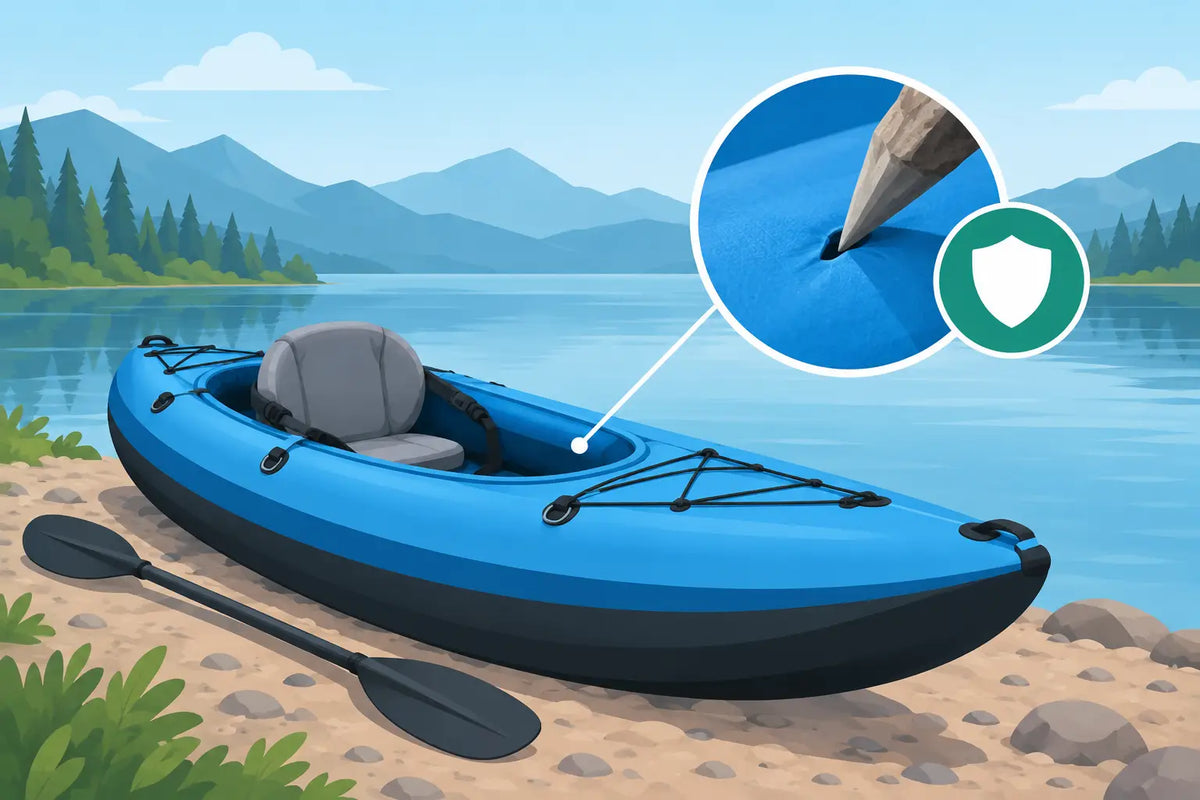
For smaller ponds, sheltered lakes, and slow rivers, a compact sit-on-top kayak offers easy entry and exit, manageable weight, and enough stability for relaxed casting. These are good choices for anglers who value simple loading and storage. A shorter hull turns easily around docks, brush, and shoreline cover, although it may not track as efficiently across a long open crossing.
For larger lakes and broad rivers, a longer, wider fishing kayak with a more defined hull can provide better tracking, greater storage capacity, and a steadier platform when conditions change. Width generally supports stability, but an extremely wide, heavy kayak may be harder to paddle and load. There is always a trade-off between a barge-like feeling of security and the efficiency needed to cover water.
Pedal-driven models are especially appealing when you want hands free for casting, working a lure, or holding position near structure. They can make a full day of fishing more comfortable, particularly for anglers with strong legs but limited shoulder comfort. Still, pedal systems add cost, weight, and maintenance considerations. In shallow water with logs, grass, or rocks, a paddle may remain the more practical tool.
Before choosing, consider your launch routine honestly. Can you carry the kayak from vehicle to water alone? Will you use a cart? Is there a secure place to store it at home? A kayak that is perfect on the water but difficult to move will see less use than a slightly simpler model that gets launched every week.
Kayak Fishing Needs a Stable, Comfortable Platform
Stability means more than whether a kayak feels tippy at the dock. Primary stability describes how steady it feels while sitting still. Secondary stability is how predictably it responds when you lean into a turn, reach for a rod, or encounter a wake. Fishing kayaks are usually designed to feel reassuringly stable, but every hull has limits.
A supportive elevated seat is one of the most worthwhile features for long days. Look for adjustable lumbar support, breathable fabric, and a seat position that lets you stand up or sit down without feeling cramped. A higher seat improves visibility and makes casting more natural, though it can raise your center of gravity. If balance is a concern, keep the seat in its lower position until you are fully comfortable with the kayak.
Capacity deserves close attention. Manufacturer capacity includes the paddler and everything brought aboard: rods, tackle, cooler, battery, fish finder, safety equipment, and even a full water bottle. Staying well below the maximum rating helps preserve performance and keeps the kayak riding at its intended waterline. For a comfortable day on the water, a little extra capacity is usually better than barely meeting the number.
Standing to fish can be enjoyable in calm, protected water, but it is not required for effective fishing. Many experienced anglers catch plenty of fish seated, with better balance and less fatigue. Treat standability as a useful option rather than a feature you must have.
Rig the Essentials Before Adding Accessories
A clean deck is safer and more enjoyable than a kayak covered in gear. Begin with the equipment that helps you fish effectively and return safely, then add specialized accessories as your habits develop.
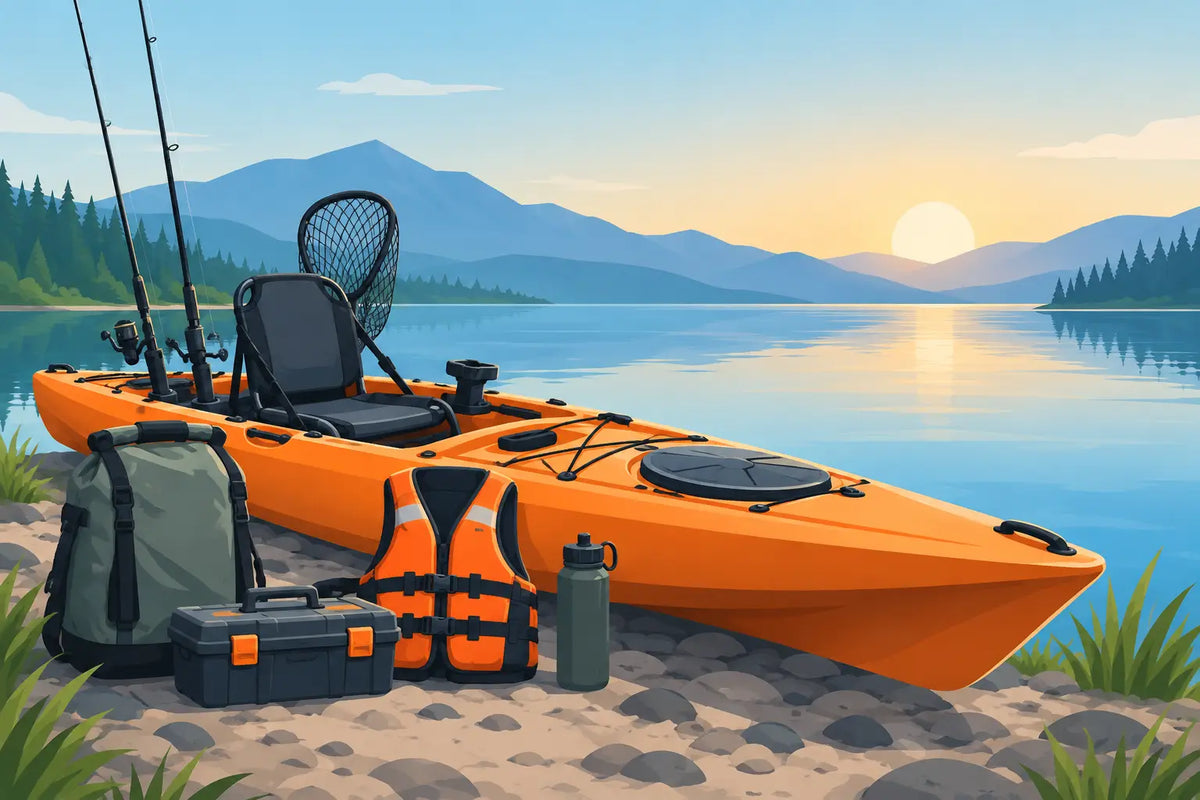
Rod holders are useful for transporting rods, trolling, or keeping a second setup ready. They should be positioned where you can reach them without twisting awkwardly. Gear tracks offer flexibility for rod holders, camera mounts, cup holders, and electronics, allowing you to adjust the layout without drilling permanent holes into the hull.
A simple crate or rear storage box keeps tackle contained and accessible. Choose one that will not interfere with paddling or seat movement, and secure it with a leash or straps. Loose equipment can disappear quickly after a sudden turn or an unexpected wake.
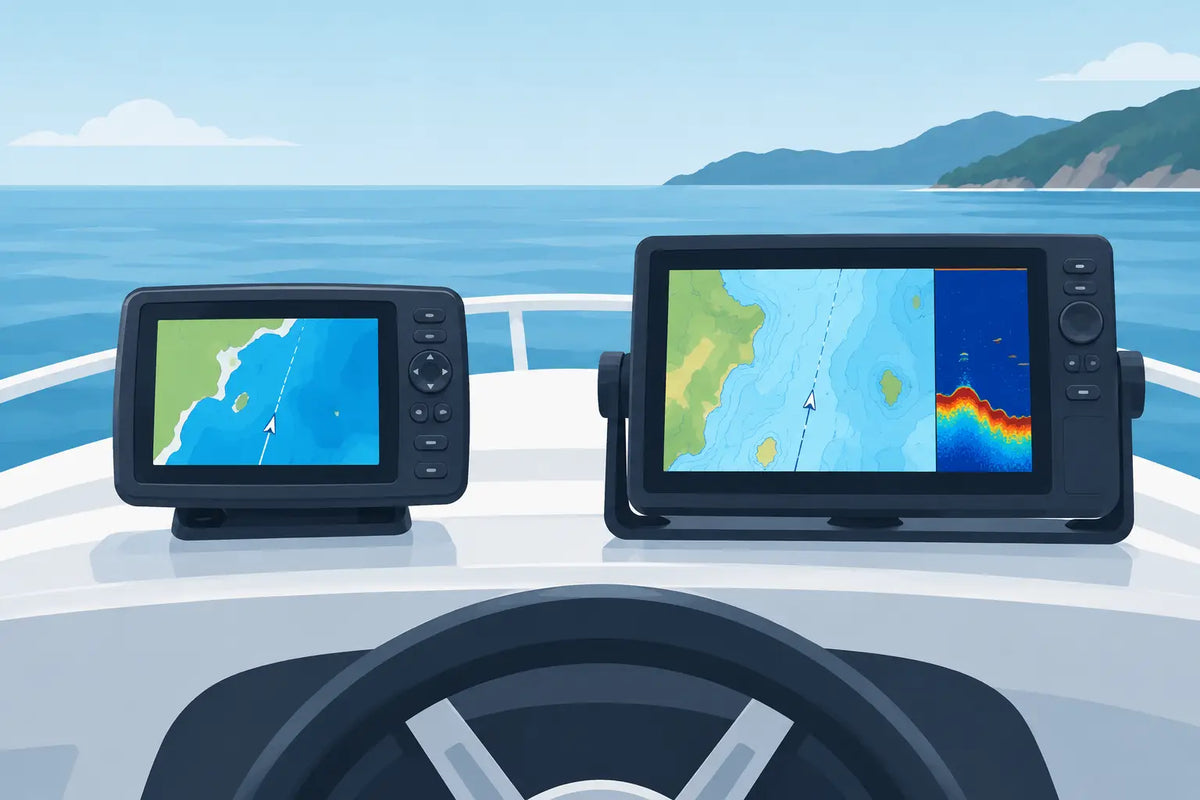
Electronics can be valuable, especially on unfamiliar lakes. A fish finder helps identify depth changes, submerged brush, bait, and water temperature, but it will not replace good location choices. Start by using it to understand the bottom and find likely holding areas. A compact battery, protected wiring, and a mount that keeps the screen visible without blocking your casting motion make for a practical setup.
An anchor system can help on lakes, but it should be used carefully. Never tie an anchor line directly to the side of the kayak in moving water, where current can pull the hull sideways. In tidal areas, rivers, or changing weather, an anchor trolley and a quick-release system can offer more control. For many anglers, a stake-out pole in shallow water or a controlled drift is safer and easier.
Dress for the Water, Not the Forecast
The water can be cold even when the air feels pleasant. Dress for the possibility of immersion, particularly in spring, fall, or on larger lakes. Quick-drying layers, a wind-resistant outer layer, sun protection, and footwear with secure traction will improve comfort throughout the day.
A properly fitted U.S. Coast Guard-approved personal flotation device is nonnegotiable. Fishing-specific PFDs often include higher backs for kayak seats and pockets for small tools, but fit matters more than features. Wear it rather than storing it behind the seat. A PFD cannot help during the first unexpected seconds in the water if it is out of reach.
Keep these safety items with you every trip:
- A whistle or other sound-producing device
- A fully charged phone in a waterproof case
- A paddle leash and a backup paddle when practical
- Drinking water, basic first aid supplies, and sun protection
- Navigation lights when fishing near dawn, dusk, or after dark
Launch and Fish With Less Stress
The first few launches are easier when you choose a protected shoreline with gradual access and light boat traffic. Load rods and gear while the kayak is still on land, but keep hooks secured and rods organized. Once afloat, take a few minutes to practice turning, stopping, reaching for a rod, and re-entering from shallow water if conditions allow.
Wind is often the deciding factor in kayak fishing. A modest breeze can create a useful drift along a bank, but a strong crosswind can make returning to the launch tiring and slow. Begin your trip by paddling or pedaling into the wind, so the easier downwind route is available when fatigue sets in. Watch the forecast, but also observe what the water is doing at the ramp. Local conditions can shift faster than an app suggests.
Plan shorter trips at first. Two focused hours close to shore teach more than an ambitious all-day outing that becomes uncomfortable. As your confidence grows, refine your layout around the way you actually fish. A shoreline angler may prioritize paddle storage and quick-access tackle, while an offshore angler may value electronics, battery capacity, and a stable platform for longer crossings.
Choose Quality Support Along With the Kayak
A fishing kayak is a long-term piece of outdoor equipment, and the purchase should come with useful guidance. It helps to work with an authorized dealer that can explain capacity, propulsion options, compatible accessories, warranty coverage, and the practical questions that are easy to overlook online. Real customer support is especially valuable when comparing premium equipment or solving an issue after the sale.
At Open Air Lifestyles, the goal is to help customers choose equipment that feels right for their water, mobility, and fishing plans, so they can spend more time Living Your Best Outdoor Life. The best kayak fishing setup is not the most complicated one. It is the one that makes an early morning launch feel easy, keeps you comfortable through the bite, and leaves you looking forward to the next calm stretch of water.