Outdoor Televisions That Make Patios More Usable
Explore outdoor televisions designed for covered patios, partial-sun areas, and bright outdoor spaces. Find the right combination of screen size, brightness, weather protection, and features for the way you enjoy your patio.
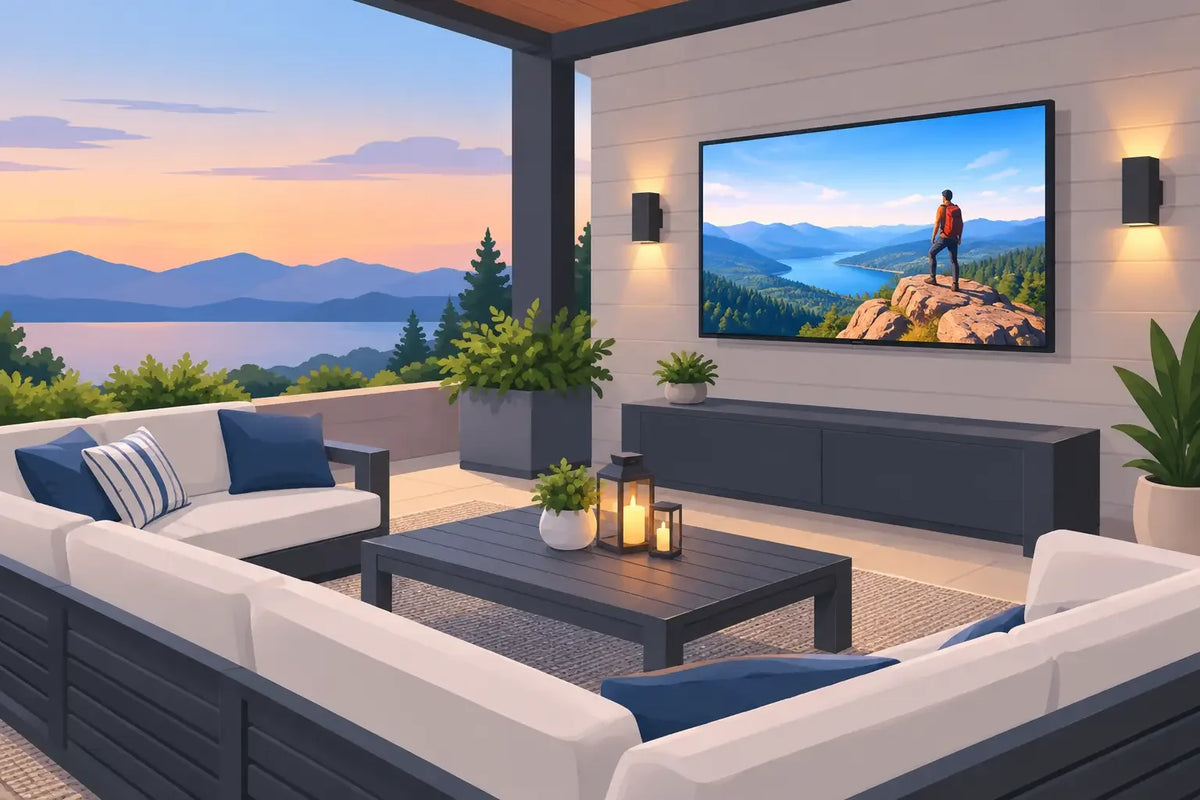
A Saturday game should not require everyone to crowd indoors just because the patio has the better view, the grill, and the comfortable seating. Outdoor televisions can turn a covered porch, pool deck, outdoor kitchen, or boating retreat into a place where people naturally stay longer. The right model makes that experience easy. The wrong one can look dim in daylight, struggle with moisture, or fail long before it should.
For homeowners who value quality outdoor time, an outdoor TV is less about adding another screen and more about making an existing space more useful. It gives you a reason to enjoy the patio for morning news, family movie nights, big games, and quiet evenings outside. Choosing well starts with understanding what separates a purpose-built outdoor display from an ordinary television moved outside for the weekend.
Why Outdoor Televisions Are Built Differently
A standard indoor television is designed for stable temperatures, controlled humidity, limited dust, and predictable lighting. Even on a covered patio, those conditions rarely exist. Wind carries pollen and dirt. Morning condensation can settle on surfaces. Summer heat builds under a roof, while winter temperatures can fall quickly in many parts of the country.
Outdoor televisions are engineered to handle those realities. Their enclosures, internal components, seals, and connections are designed for exposure to changing weather conditions. They also use brighter panels than most indoor TVs, which is essential when the sun is competing with the screen.
That does not mean every outdoor model belongs in every location. A TV rated for a fully shaded porch has different needs than one installed beside a sunny pool or on an exposed patio. Matching the television to the environment protects your investment and produces a much better viewing experience.
Start With Where the TV Will Live
Before comparing screen sizes or smart features, take a close look at the intended mounting area. The amount of direct sunlight is usually the most important factor.
Full-shade spaces
Covered porches, screened rooms, and patios with deep roof overhangs are the easiest locations for an outdoor TV. These areas generally need a model designed for shade, with enough brightness to overcome daylight reflected from concrete, siding, water, or nearby windows. Shade does not mean zero moisture or zero glare, so an outdoor-rated unit still matters.
Partial-sun spaces
Many patios receive sun for part of the day, particularly in the morning or late afternoon. A partial-sun television offers higher brightness for these changing conditions. This is often the right choice for an outdoor kitchen, pergola, or covered deck that is protected overhead but open on one or more sides.
Full-sun spaces
An uncovered pool area, bright rooftop terrace, or wall that receives direct afternoon sun needs a full-sun model. These displays are built with substantially higher brightness and thermal management to remain viewable and operate safely in intense light and heat. They cost more, but placing a lower-brightness television in this setting often leads to frustration and a short service life.
Watch the proposed location at several times of day before purchasing. The patio may feel shaded at breakfast but become nearly impossible to view at 4 p.m. Also consider reflected light from a pool, light-colored pavers, metal roofing, or glass doors. Reflection can be almost as distracting as direct sunlight.
Brightness Matters More Than Resolution Outside
A sharp 4K picture is enjoyable, but brightness is what makes an outdoor screen practical. Indoor TVs can look excellent in a living room and washed out outdoors, even under a roof. Outdoor displays are measured in nits, a unit of brightness. In general, more nits help the picture remain visible as ambient light increases.
You do not need to memorize specifications to make a sound choice. Think about when you plan to watch. If your outdoor viewing is mostly after sunset, a shade-rated model may be plenty. If you want to follow an afternoon football game or enjoy television while children use the pool, prioritize brightness and an anti-glare screen.
Screen finish also affects what you see. An anti-glare treatment reduces distracting reflections, while an anti-reflective surface can improve contrast in bright surroundings. Neither can overcome direct sun on an underpowered television, but both make a noticeable difference in the right installation.
Choose a Size That Fits the Seating Area
Bigger is not always better on a patio. A screen that overwhelms a small porch can feel uncomfortable, while one that is too small forces guests to squint from the dining table. Viewing distance, seating layout, and the type of entertainment you watch should guide the decision.
For a typical outdoor lounge where seating sits 6 to 10 feet from the screen, a 55-inch or 65-inch television is often a comfortable choice. Larger 75-inch models can be excellent for a wide deck, pool house, or outdoor entertaining area where viewers sit farther away. Sports fans may appreciate the added size because scoreboards, player stats, and fast action are easier to follow.
Measure the wall before choosing. Leave room for a mount, cable routing, airflow, and access to ports or a weatherproof outlet. If the television will sit above a fireplace or outdoor kitchen counter, confirm that heat from the appliance will not affect the unit. Manufacturer installation guidelines should always take priority.
Plan the Installation, Not Just the Purchase
A good outdoor TV deserves a secure, thoughtfully planned setup. Professional installation can be worthwhile when mounting on masonry, stone veneer, stucco, or a location that requires electrical work. A properly rated wall mount should support the television's weight and allow appropriate viewing angles.
Power and connections need attention, too. Use weather-protected outlets and covers designed for exterior use. Avoid routing ordinary extension cords across a deck or through doorways. If you plan to connect a cable box, streaming device, antenna, soundbar, or gaming console, decide where each component will be stored and protected before the TV goes on the wall.
Wi-Fi is another practical consideration. A signal that works inside the kitchen may weaken significantly near the far end of the yard. Test streaming in the intended viewing area with a phone or tablet. If coverage is inconsistent, a mesh Wi-Fi node or properly installed outdoor access point may make a bigger difference than changing television brands.
Do Not Forget Sound
Outdoor spaces absorb sound. Open air, traffic, wind, water features, and conversations can make built-in TV speakers seem quiet, especially during a game or movie. In a small, sheltered porch, the television's integrated speakers may be adequate. For a larger patio or pool area, an outdoor-rated soundbar or a professionally installed speaker system can make dialogue far easier to hear.
Placement matters here as well. Aim sound toward the seating area rather than turning up the volume for the entire neighborhood. A modest, well-positioned audio system usually sounds better than speakers pushed to maximum volume.
Weather Ratings, Temperature, and Long-Term Care
Outdoor television specifications often reference weather resistance and operating temperature ranges. These details are worth reviewing because your local climate matters. Coastal homeowners should consider salt air and corrosion. Desert areas need to account for high heat and dust. Northern climates require equipment that can tolerate cold weather or a plan for seasonal protection when recommended by the manufacturer.
An outdoor TV does not need to be treated delicately, but it should be cared for properly. Clean the screen with materials approved by the manufacturer, keep vents clear of leaves and debris, and inspect cables and mounting hardware periodically. A cover can help protect the display from dust, pollen, and off-season buildup when it is specifically compatible with the model and does not trap moisture.
Be cautious with generic weatherproof covers and indoor television cabinets. They may seem like a cost-saving solution, but they do not necessarily address heat buildup, condensation, glare, or warranty limitations. A purpose-built outdoor TV is a higher initial investment, yet it is usually the more dependable choice for a space you intend to enjoy for years.
Buy With Support You Can Count On
Outdoor electronics involve more variables than an indoor purchase. The best size depends on the wall and seating plan. The correct brightness depends on your sunlight. Warranty coverage and authorized dealer status can matter greatly if you need help after installation.
At Open Air Lifestyles, real customer support can help you sort through those details before you buy, so you can choose a television suited to your environment rather than simply choosing the biggest screen in stock. When a product will live outdoors through changing seasons, knowledgeable guidance and manufacturer-backed protection offer valuable peace of mind.
A well-chosen outdoor television should feel like it belongs in your outdoor space from the first warm evening onward. Set it up for the conditions you actually have, not the conditions you wish you had, and the patio becomes one more comfortable place for living your best outdoor life.