Weatherproof TV Buying Guide for Outdoor Living
Explore outdoor televisions designed for covered patios, partial-sun areas, and brighter outdoor spaces. Compare weather protection, brightness, screen sizes, and features to find the right TV for the conditions around your home.
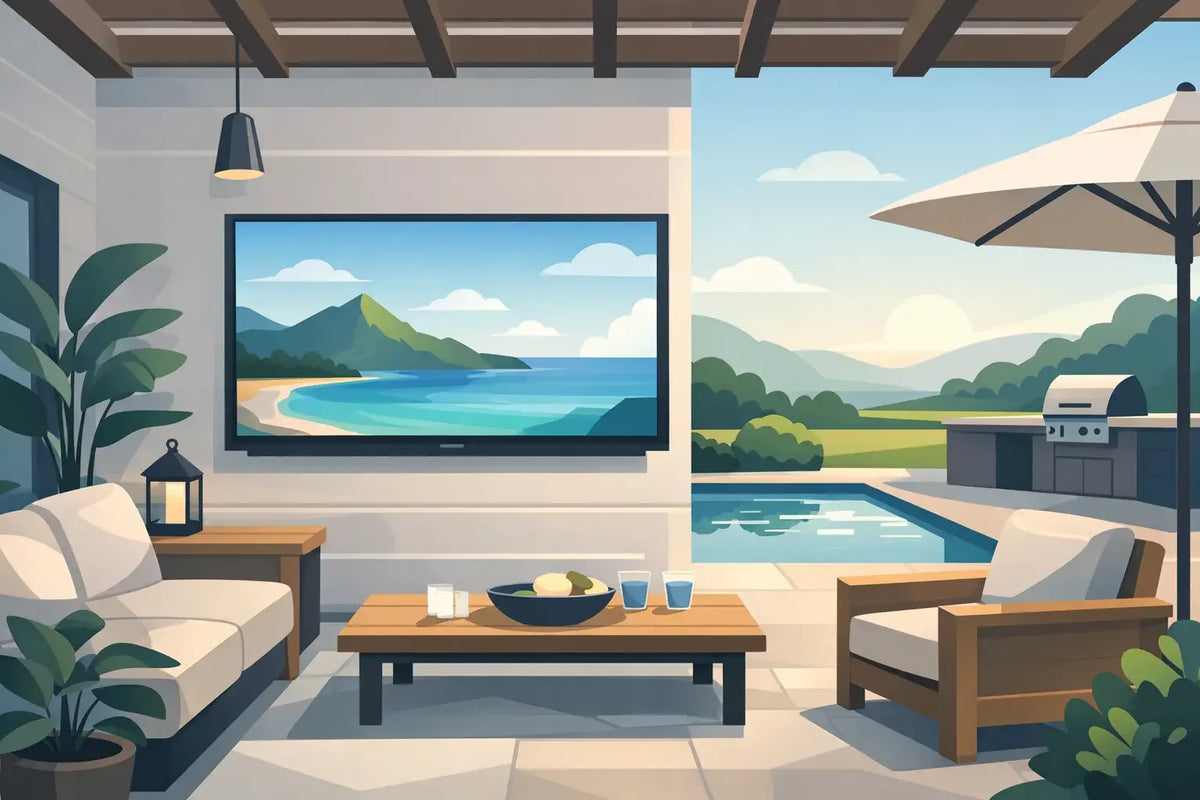
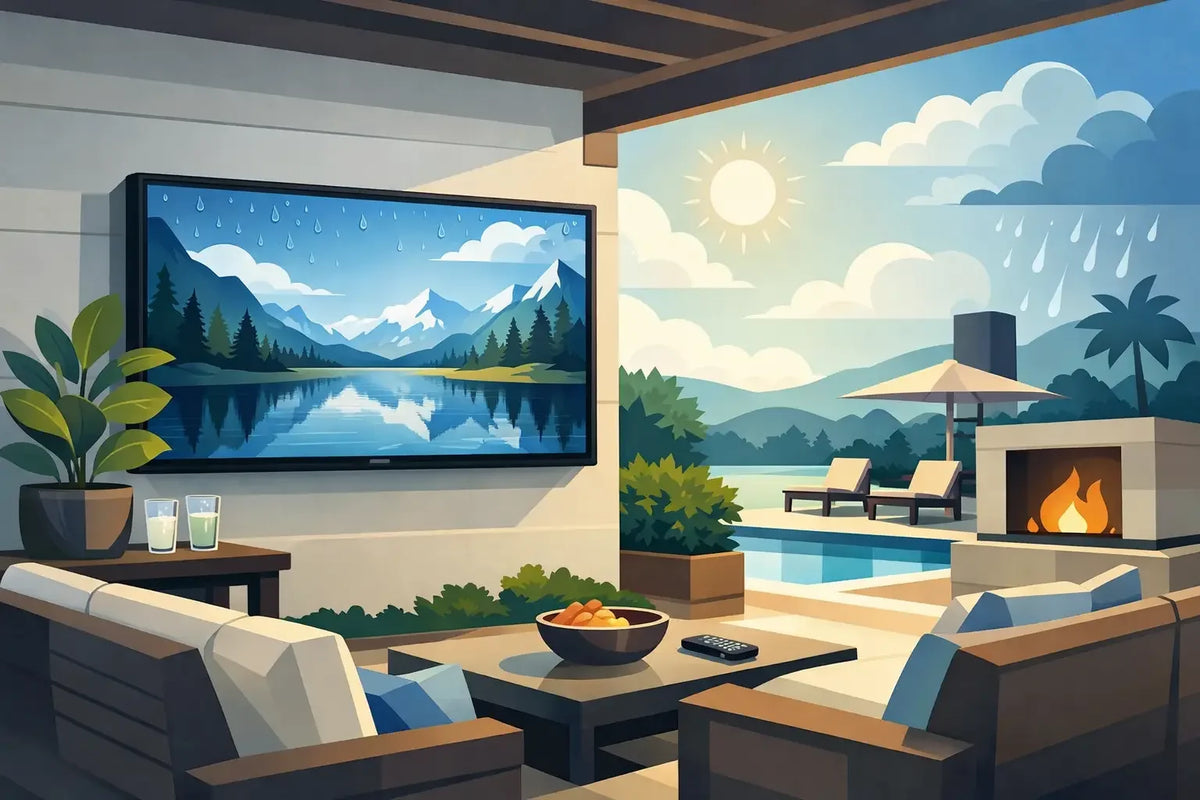
A television on the patio can turn a quiet evening, a family cookout, or a big game into more time spent together outdoors. But a standard indoor TV is not made for humidity, windblown dust, changing temperatures, or a sudden summer shower. This weatherproof tv buying guide will help you choose a screen that suits your space, your climate, and the way you plan to enjoy it.
The right outdoor TV is not necessarily the largest screen or the one with the highest advertised brightness. It is the model that can handle its location reliably, delivers a clear picture when the sun is out, and is installed with the protection it needs. A little planning before you buy can protect a significant investment and make outdoor entertaining much easier.
Start With the Outdoor Location
Before comparing brands, measure and study the place where the TV will live. A covered porch, open patio, poolside cabana, outdoor kitchen, and boat deck can all call for different levels of weather protection.
A fully covered, screened porch has fewer weather challenges than an uncovered wall exposed to rain and afternoon sun. Even so, moisture and temperature swings can affect electronics in protected spaces. Do not assume that a roof alone makes an indoor television safe outdoors.
Think about the direction the screen will face, too. A west-facing patio may receive harsh glare late in the day, while a shaded veranda may need less brightness but still face humidity. Notice whether sprinklers, grill smoke, salt air, pool chemicals, or blowing sand are part of the environment. These details help determine the outdoor TV category that makes sense.
Understand Weatherproof TV Ratings
“Weatherproof” is a useful starting term, but it is not a complete specification. Look for an outdoor television built for exterior use and check its stated protection rating, operating temperature range, and recommended installation conditions.
Many outdoor TVs use an IP rating, which indicates resistance to solids such as dust and to water. The first digit refers to dust protection, while the second refers to water protection. A rating such as IP55 generally indicates meaningful defense against dust and water jets, while higher water ratings may be appropriate for more exposed installations. Always read the manufacturer's guidance rather than relying on the rating alone.
Some outdoor TVs are designed for partial-sun areas, while others are made for direct sun. A TV intended for shade should not be installed where it receives hours of unfiltered sunlight every afternoon. Direct sunlight adds heat, reduces perceived picture quality, and can shorten the life of a screen not engineered for that workload.
Temperature matters as much as rain. If you live where winters freeze or summer temperatures regularly climb, confirm that the TV is rated to operate and be stored in those conditions. An outdoor-rated enclosure can add protection in certain setups, but it does not automatically make any indoor TV appropriate for year-round use.
Choose Brightness for Your Viewing Conditions
Outdoor brightness is commonly measured in nits. More nits generally means a screen can better compete with daylight, but the right amount depends on your location.
For a deeply shaded porch that is used mainly in the evening, a lower-brightness outdoor model may provide an excellent picture and better value. A patio with changing light often benefits from a brighter, partial-sun TV. For an uncovered entertaining area or a wall that sees direct daylight, a full-sun model with substantially higher brightness is usually worth considering.
Brightness alone cannot overcome poor placement. Avoid mounting the screen directly opposite the sun or under a reflective surface that throws glare toward viewers. A small change in wall location, a pergola shade, or outdoor curtains may improve visibility more than paying for additional brightness.
Also consider automatic brightness adjustment. This feature allows the TV to respond to surrounding light, helping maintain a comfortable picture as an afternoon gathering becomes an evening movie night.
Select the Screen Size From Your Seating Distance
A large TV makes a statement, but it should fit the seating arrangement rather than dominate it. Start with where people will usually sit, then consider the content you watch. Sports, movies, and family photos can all benefit from a larger display, while a smaller screen may be more practical for a compact balcony or outdoor kitchen.
As a general comfort range, many households find a 55- to 65-inch TV works well for seating roughly 7 to 10 feet away. A 75-inch model can be a great fit when the primary seats are farther back or when the patio is built for game-day gatherings. Resolution matters, but viewing distance, glare, and screen brightness will often have a greater effect on the outdoor experience than moving from one high-resolution format to another.
Leave room for safe mounting and airflow. Outdoor TVs need their specified clearance around vents and should never be squeezed into a tight recess unless the manufacturer permits it.
Plan Power, Connections, and Sound Early
An outdoor TV needs more than a convenient wall to succeed. It needs a properly protected electrical connection installed to local code, ideally by a qualified professional. Outdoor-rated outlets, GFCI protection, weatherproof covers, and sensible cable routing protect both the equipment and the people using the space.
If you plan to stream, check your Wi-Fi signal where the TV will be mounted. A router that works perfectly indoors may struggle through exterior walls, brick, stone, or across a large yard. A mesh Wi-Fi node or wired network connection can prevent frustrating buffering during a live event.
Sound deserves attention as well. Outdoor spaces absorb audio, and nearby traffic, water features, or conversation can make built-in speakers seem quiet. A compatible weather-resistant soundbar or outdoor speaker system may be worthwhile, especially for movies and sports. Keep speaker placement considerate of neighbors and choose equipment rated for the same exposure level as the TV.
Do Not Overlook the Mount and Cabinet
A quality weatherproof TV still relies on the accessories around it. Choose an outdoor-rated mount that supports the screen's weight and VESA mounting pattern. Fixed mounts are simple and secure, while tilting or full-motion mounts can help reduce glare and improve viewing angles. In windy areas, a sturdy mount and professional installation become even more valuable.
If you prefer a recessed installation or want to conceal equipment, use a cabinet designed for outdoor electronics. It should provide drainage, ventilation, secure access, and enough space for cables without pinching them. A cabinet may protect the TV from debris and casual bumps, but it can also trap heat if it is poorly designed.
For seasonal homes, a fitted cover can keep pollen, dust, and debris off the screen when it is not in use. Use only a cover intended for the model, and place it on a clean, dry TV. Covers are helpful between uses, but they are not a substitute for a television that is genuinely rated for your outdoor conditions.
Compare Features That Improve Everyday Use
Once you have matched the TV to its environment, compare the features that will make it enjoyable week after week. A familiar smart TV platform can simplify streaming, while multiple HDMI inputs are useful for a cable box, gaming console, or outdoor media player. Bluetooth connectivity can be convenient, though wired audio may be more dependable over longer distances.
A bright anti-glare screen, straightforward remote control, and good warranty coverage are often more valuable than a long list of features you may never use. Pay attention to the warranty terms for outdoor installation, including whether the manufacturer requires a particular placement or mounting method.
This is also where buying from an authorized dealer can provide real peace of mind. Premium outdoor electronics are a long-term purchase, and knowledgeable support can help clarify model differences, warranty requirements, shipping questions, and installation considerations before an order is placed. Open Air Lifestyles is here to offer that real customer support, so you can spend less time second-guessing your choice and more time enjoying the space you created.
A Weatherproof TV Buying Guide Checklist
Before choosing an outdoor TV, confirm these essentials:
- The TV is specifically rated for your level of sun, rain, dust, and temperature exposure.
- Screen brightness matches the amount of daylight in its planned location.
- The screen size fits your primary seating distance and viewing habits.
- Power, Wi-Fi, cables, mounting, and audio have a safe, practical plan.
- The warranty supports the type of outdoor installation you intend to use.
A well-chosen outdoor TV can make the porch, patio, or pool area feel like a favorite room of the home. Choose for the conditions you actually have, install it with care, and you will be ready for more relaxed evenings, memorable gatherings, and Living Your Best Outdoor Life.